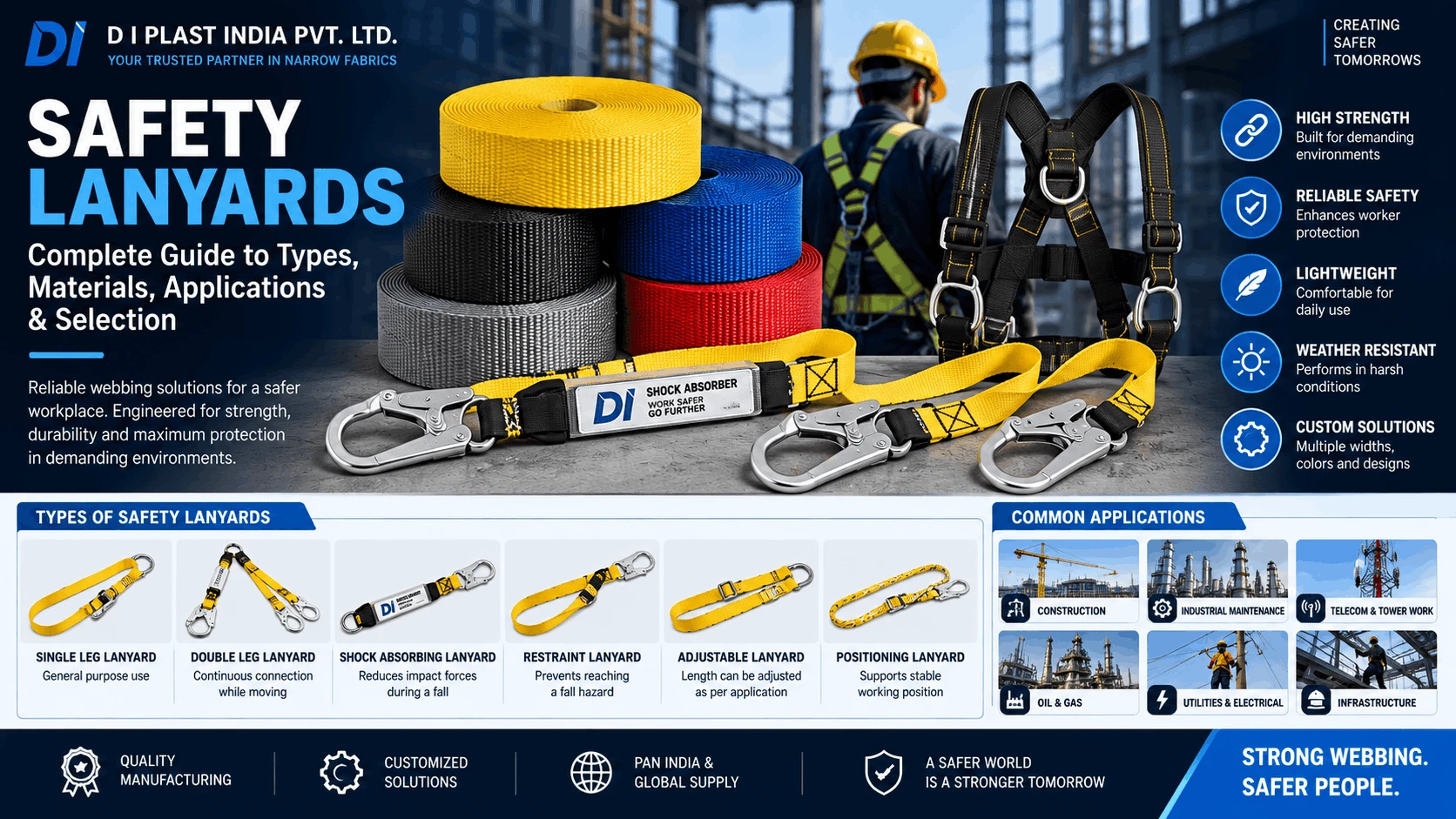
Safety lanyards are an important component of personal fall protection systems used in construction, manufacturing, maintenance, infrastructure, utilities and industrial work. They connect a worker’s full-body harness to a suitable anchorage or lifeline and help reduce the risk of serious injury during work at height.
The performance of a safety lanyard depends on several factors, including webbing material, construction, length, connectors, energy absorption, stitching quality and compatibility with the complete fall protection system.
This guide explains the different types of safety lanyards, commonly used materials, applications, manufacturing considerations and important points to check when selecting safety lanyard webbing.
A safety lanyard is a flexible connecting component used as part of a fall protection system. It is generally attached between a full-body harness and an anchorage point.
A complete safety lanyard may include:
Webbing or rope
Energy absorber
Hooks or connectors
Eye loops
Protective sleeves
Stitching
Identification labels
Anchorage connectors
Adjustment components
The webbing forms the main load-bearing structure in many synthetic lanyards. However, the complete assembly must be designed, tested and used according to the requirements applicable to the specific fall protection application.
Important: Webbing intended for safety lanyards should not be treated as a certified fall arrest product by itself. Certification and compliance generally apply to the complete lanyard or fall protection assembly, including its connectors, stitching, energy absorber and other components.
A safety lanyard connects the worker’s harness to an anchorage system. During normal work, it allows the worker to move within a controlled area. In the event of a fall, the lanyard and associated energy absorber help manage the forces transmitted to the worker and the rest of the fall protection system.
A typical fall protection arrangement includes:
Full-body safety harness
Safety lanyard
Energy absorber, where required
Anchorage point or lifeline
Suitable connectors
Rescue and inspection procedures
The lanyard must be compatible with the harness and anchorage. Its length should also be appropriate for the working area and the required fall clearance.
A single-leg lanyard has one connecting leg between the harness and anchorage point.
It is commonly used where the worker remains connected to one anchorage point or where movement requirements are limited.
Typical applications include:
General maintenance
Fixed work platforms
Industrial access areas
Controlled work-at-height operations
A double-leg lanyard, also called a twin-leg or Y-type lanyard, has two connecting legs.
It allows a worker to move between anchorage points while maintaining continuous connection. One leg can remain attached while the other is transferred to a new anchorage.
Common applications include:
Structural steel work
Construction
Tower maintenance
Industrial installation
Work involving movement between anchor points
A shock-absorbing lanyard includes an energy absorber designed to reduce the forces generated during a fall.
The energy absorber may be integrated into the lanyard or supplied as a separate component. When activated, it helps dissipate part of the fall energy through controlled tearing, deformation or another approved energy-management mechanism.
These lanyards are used where fall arrest protection is required and where the complete system has been designed for that purpose.
A restraint lanyard is designed to prevent the worker from reaching a hazardous edge or fall position.
Unlike a fall arrest lanyard, a restraint lanyard is intended to restrict movement so that a fall does not occur.
Applications may include:
Rooftop maintenance
Work near open edges
Industrial platforms
Elevated service areas
Restricted access zones
The length and adjustment of a restraint lanyard are especially important because the system must prevent the worker from reaching the danger area.
An adjustable lanyard allows the user to change its effective length.
This can be useful when working in areas where the distance between the harness and anchorage varies. Adjustment hardware must be suitable for the intended application and should not compromise the strength or performance of the lanyard.
A positioning lanyard helps support a worker in a stable working position while allowing both hands to remain available for the task.
It is commonly used by:
Utility workers
Pole climbers
Tower technicians
Industrial maintenance teams
Workers performing controlled positioning tasks
Positioning systems and fall arrest systems serve different purposes. A positioning lanyard should not automatically be used as a substitute for a fall arrest lanyard.
Polyester is widely used in safety-related webbing because it offers:
Good tensile strength
Low moisture absorption
Good dimensional stability
Resistance to many environmental conditions
Good abrasion resistance
Consistent performance
Compatibility with high-visibility colors
Polyester webbing is commonly selected for industrial safety harnesses, lanyards, restraint systems and other technical textile products.
High-tenacity polyester yarns are generally preferred for applications where strength and durability are important.
Nylon webbing is known for:
High strength
Good flexibility
Excellent abrasion resistance
Good impact absorption characteristics
Smooth handling
Resistance to repeated bending
Nylon can be suitable for certain harness and lanyard applications, depending on the design requirements and applicable standards.
However, nylon absorbs more moisture than polyester, which can affect dimensional stability and performance in certain environments. The final material selection should be based on the complete product specification.
Polypropylene is lightweight, moisture-resistant and cost-effective. It is used in many general-purpose straps and industrial webbing products.
However, not every polypropylene webbing is suitable for fall protection. Safety lanyards require specific strength, construction, stitching and performance characteristics. Polypropylene should only be considered where it is explicitly approved for the intended application and meets the applicable requirements.
When selecting webbing for safety lanyards, several technical parameters must be controlled.
Breaking strength is the maximum force the webbing can withstand under a specified test method before failure.
The required strength depends on:
Intended application
Lanyard design
Safety factor
Connector configuration
Stitching pattern
Applicable standard
Complete assembly design
A high breaking strength alone does not guarantee that a complete lanyard is safe. The webbing, stitching, hardware and energy absorber must work together.
Common webbing widths vary depending on the product design. Wider webbing can offer better handling and load distribution, while narrower webbing may be suitable for specific compact designs.
Width should be selected according to:
Required strength
Harness or lanyard design
Connector dimensions
Stitching area
User comfort
Applicable technical requirements
Thickness affects flexibility, handling, roll formation, stitching and compatibility with hardware.
A thicker webbing may provide a more substantial feel, but excessive thickness can make folding, sewing or hardware assembly difficult. The correct thickness should be selected based on the complete product design.
Elongation describes how much the webbing stretches under load.
Controlled elongation can be important for fall protection systems, but the required value depends on the lanyard design and whether an energy absorber is included.
The edges of safety lanyard webbing should be clean, consistent and free from:
Loose yarns
Cuts
Fraying
Uneven weaving
Sharp projections
Excessive fuzz
Damaged selvedges
Poor edge quality can affect handling, durability and the performance of the finished assembly.
Safety lanyards are often manufactured in highly visible colors such as yellow, orange, red, blue or green.
Color may be used for:
Product identification
Brand differentiation
Inspection visibility
Differentiating lanyard types
Matching customer requirements
Color should not be considered a substitute for technical testing or certification.
The manufacturing process generally includes the following stages.
The manufacturer selects suitable polyester, nylon or other approved yarn based on the required strength, denier, finish and application.
For safety-related products, yarn consistency is important because variations can affect tensile performance and weaving quality.
Yarns are arranged and wound onto beams in the required order and tension.
Uniform warping helps maintain:
Consistent width
Stable construction
Even yarn distribution
Reduced weaving defects
The prepared yarns are woven into narrow fabric using an appropriate needle loom or narrow-width weaving machine.
Important weaving parameters include:
Picks per inch
Warp density
Weft density
Width
Thickness
Yarn tension
Edge construction
Depending on the product, the webbing may undergo finishing processes such as:
Heat setting
Washing
Coating
Dyeing
Surface treatment
Edge finishing
Shrinkage control
The finishing process should be selected without reducing the required strength or damaging the yarn.
The webbing should be inspected for:
Width
Thickness
Weight per meter
Color
Weave consistency
Edge quality
Tensile strength
Elongation
Abrasion resistance
Visual defects
Testing requirements should be defined according to the intended product and applicable standards.
The finished webbing is rolled into customer-specified lengths and packed to prevent contamination, moisture damage and deformation during storage or transport.
Safety lanyards and their webbing are used in several industries, including:
Used by workers operating on:
Roofs
Scaffolding
Structural steel
Elevated platforms
Building façades
Construction equipment
Lanyards are used during maintenance of:
Factories
Warehouses
Machinery
Storage systems
Industrial structures
Elevated service areas
Tower technicians may use lanyards for:
Communication towers
Antenna maintenance
Transmission structures
Elevated cable systems
Utility infrastructure
Safety lanyards may be used in controlled work-at-height applications across:
Refineries
Power plants
Energy infrastructure
Industrial pipelines
Maintenance platforms
Specialized lanyards are used by workers involved in:
Electrical infrastructure
Pole maintenance
Utility towers
Elevated service operations
The complete product must be selected according to the hazards and conditions of the work environment.
Before purchasing safety lanyard webbing, consider the following factors:
Clarify whether the lanyard is intended for:
Fall arrest
Restraint
Work positioning
Tower climbing
Industrial maintenance
General equipment connection
Different applications require different designs and performance characteristics.
Polyester and nylon are commonly used in safety-related webbing. The choice depends on:
Required strength
Flexibility
Moisture exposure
Environmental conditions
Abrasion requirements
Product design
Applicable standards
Ask the supplier for:
Material composition
Width
Thickness
Weight per meter
Breaking strength
Elongation
Color options
Roll length
Manufacturing tolerance
Testing details
Available technical documentation
The webbing must be compatible with:
Stitching machines
Hooks and connectors
Energy absorbers
Harness components
Adjustment buckles
Protective sleeves
For regular production, consistency between batches is essential. A supplier should be able to maintain stable:
Width
Thickness
Color
Tensile strength
Weave construction
Roll length
Finishing quality
A specialized narrow fabric manufacturer can support customers with:
Material selection
Custom widths
Custom colors
Specific thicknesses
High-tenacity yarn options
Consistent weaving
Technical documentation
Production sampling
Bulk manufacturing
Quality inspection
Customized packaging
For safety-related applications, the supplier should understand that webbing performance is only one part of the final product. The finished lanyard assembly must be designed and tested according to its intended use.
D I Plast India Pvt. Ltd. manufactures and supplies a range of industrial webbing products, including polyester webbing, nylon webbing, safety harness webbing and other customized narrow woven fabrics for industrial applications.
Safety lanyard webbing is a narrow woven textile used as the load-bearing strap in certain safety lanyard and fall protection assemblies. It is generally manufactured from high-strength synthetic yarns such as polyester or nylon.
Polyester and nylon are commonly used. The correct material depends on the required strength, flexibility, environmental conditions and the design requirements of the complete lanyard.
No. General-purpose webbing should not automatically be used for fall protection. Safety lanyard webbing must meet the technical requirements of the intended product and be compatible with the complete assembly.
A single lanyard has one connecting leg. A double lanyard has two legs and can allow continuous connection while moving between anchorage points, when used correctly.
A shock-absorbing lanyard includes an energy absorber designed to reduce forces during a fall. The complete assembly must be designed and tested for the intended fall protection application.
Yes. Depending on the manufacturer’s capabilities, webbing can be customized by width, thickness, color, yarn type, construction, roll length and other technical specifications.
Buyers should check material, width, thickness, breaking strength, elongation, edge quality, color consistency, testing requirements and compatibility with the finished lanyard assembly.
Polyester webbing is commonly used in industrial safety products, including harnesses and lanyards, when it is manufactured to the required specifications and incorporated into a properly designed and tested assembly.
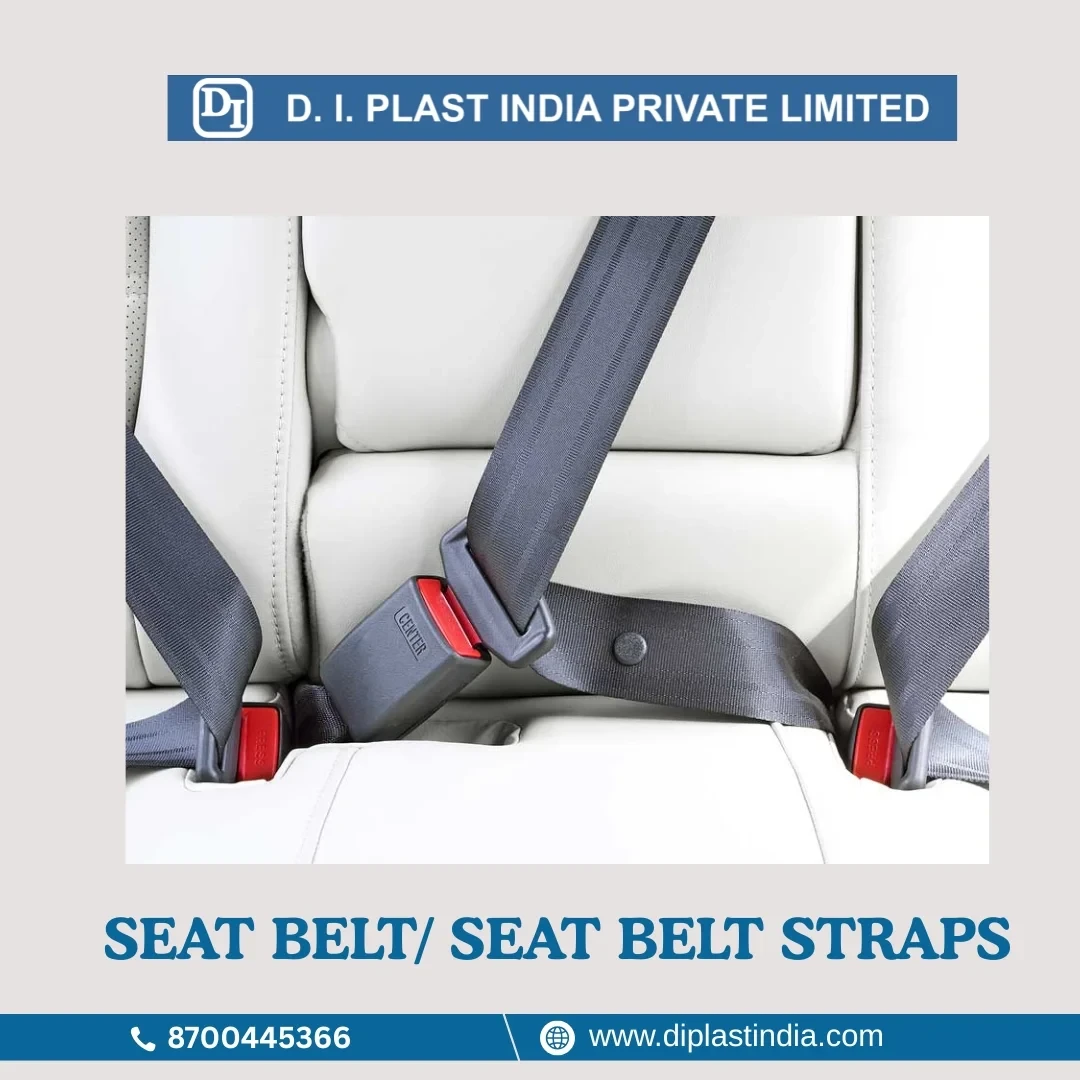
Industrial nylon webbing safety belts are essential safety p...
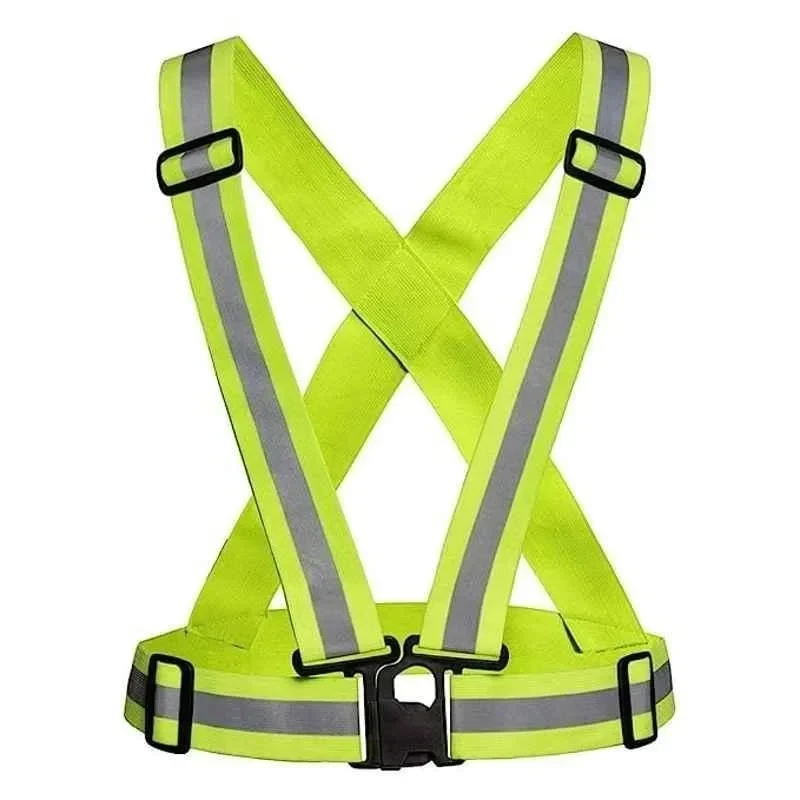
Industrial safety belts for maximum protection are specially...
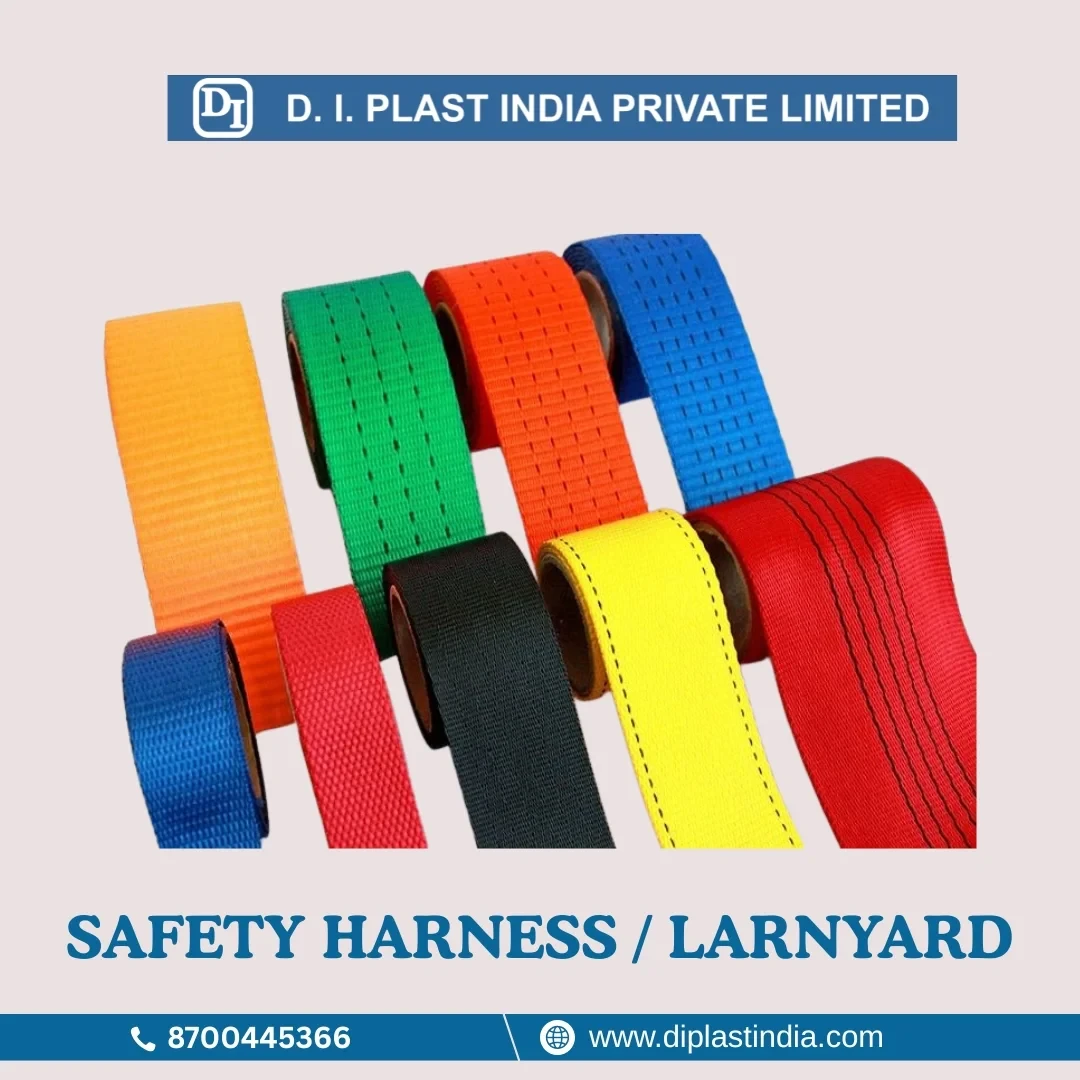
Reliable safety harness solutions are an important part of w...
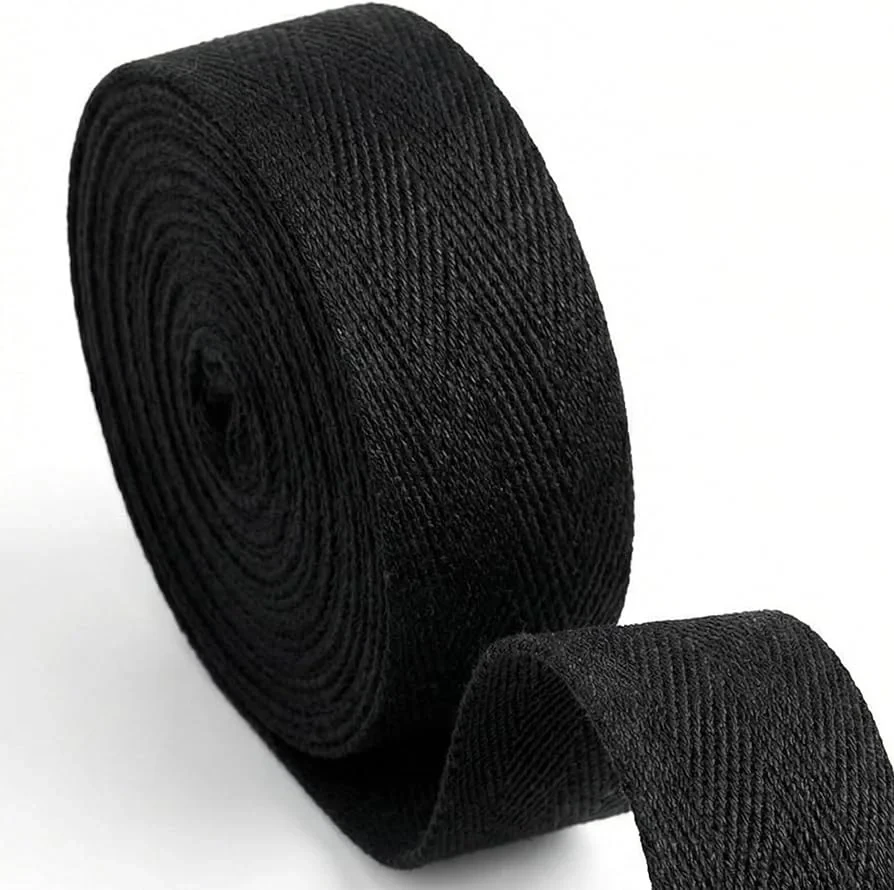
Narrow woven fabric tape manufacturing plays an important ro...
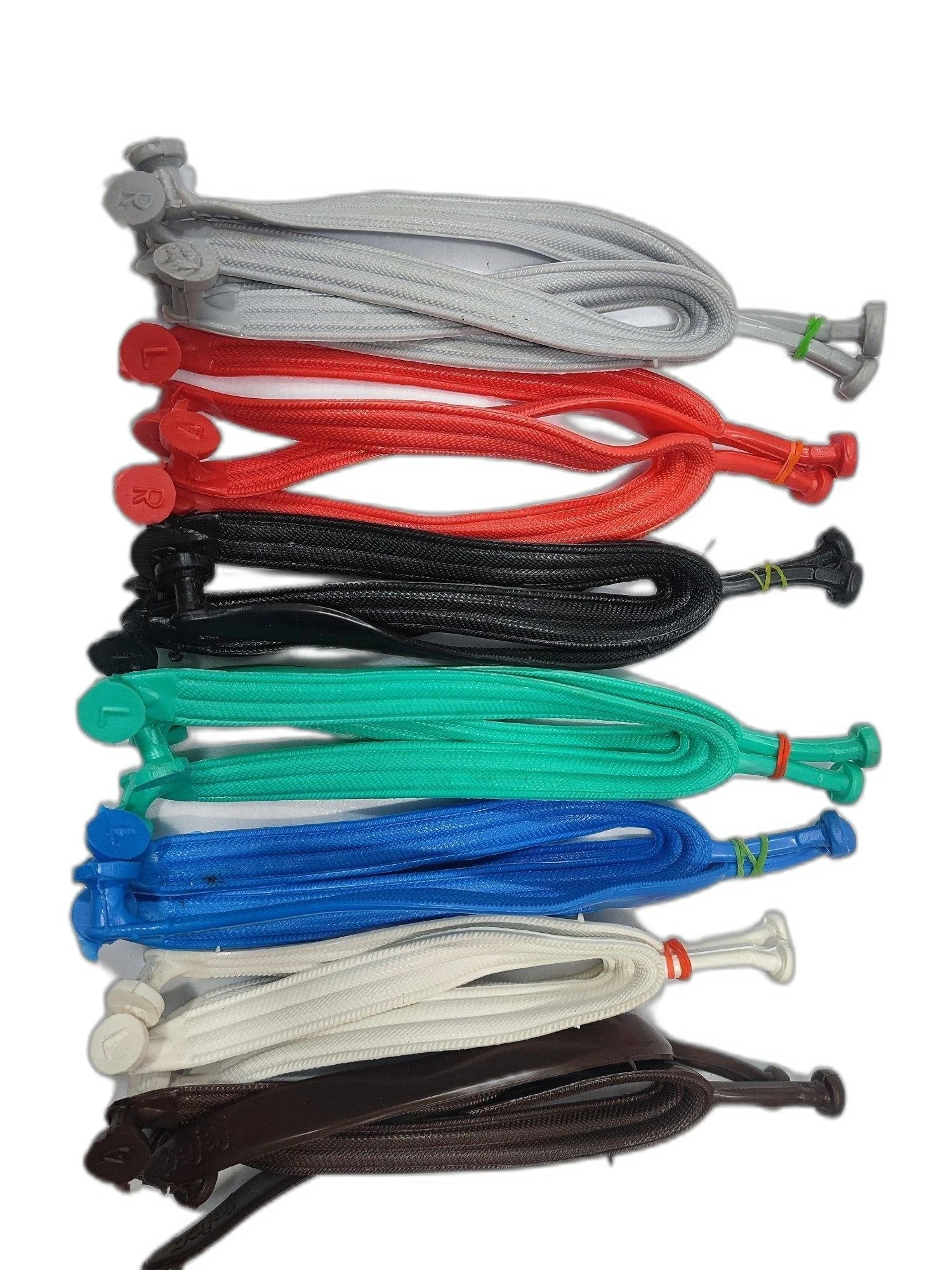
Durable slipper strap manufacturing solutions are essential...
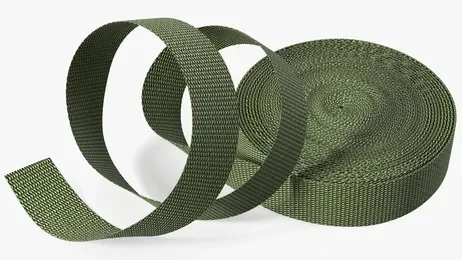
High strength industrial woven tapes are designed for indust...
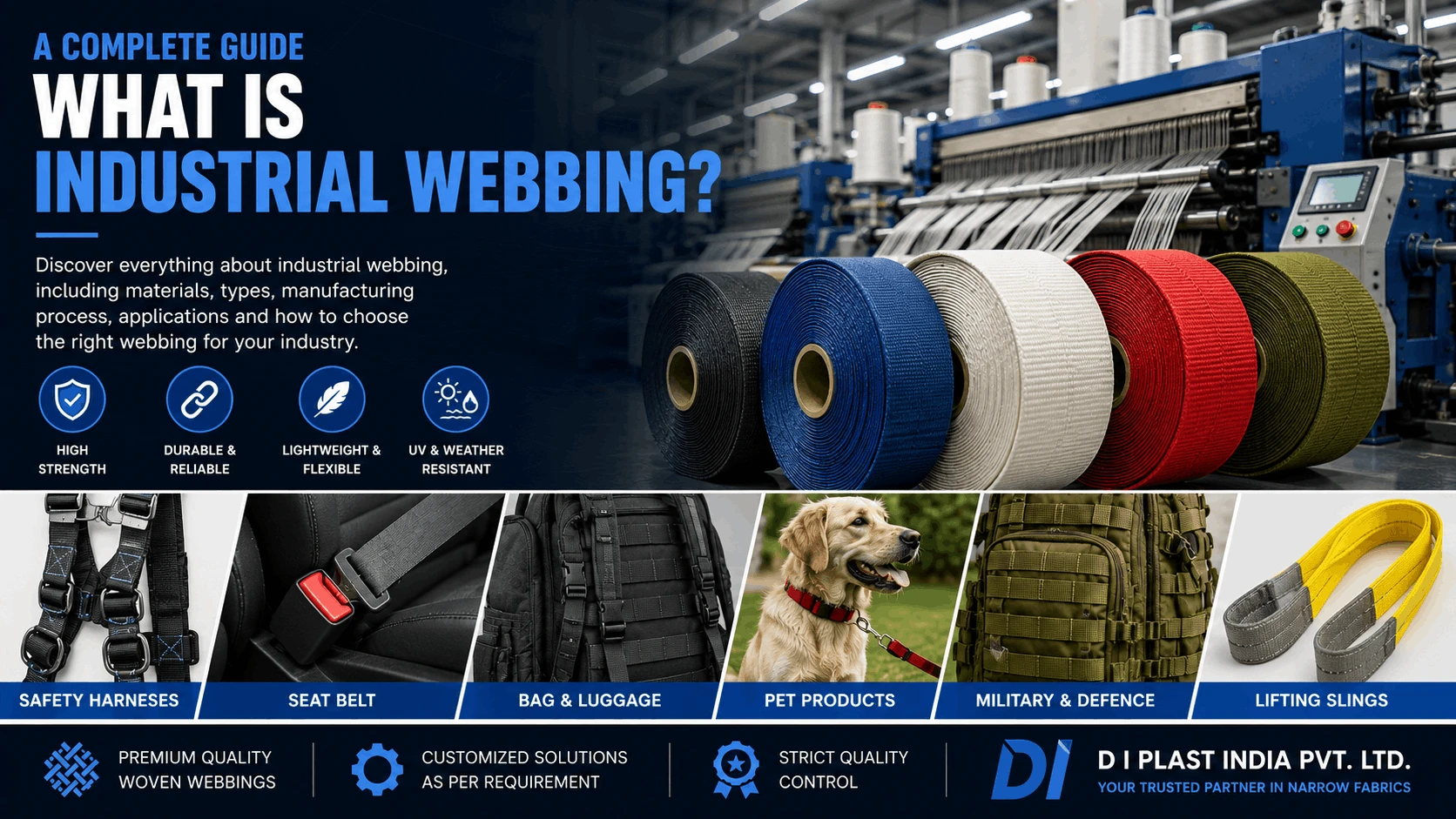
What Is Industrial Webbing?Industrial webbing is a high-stre...
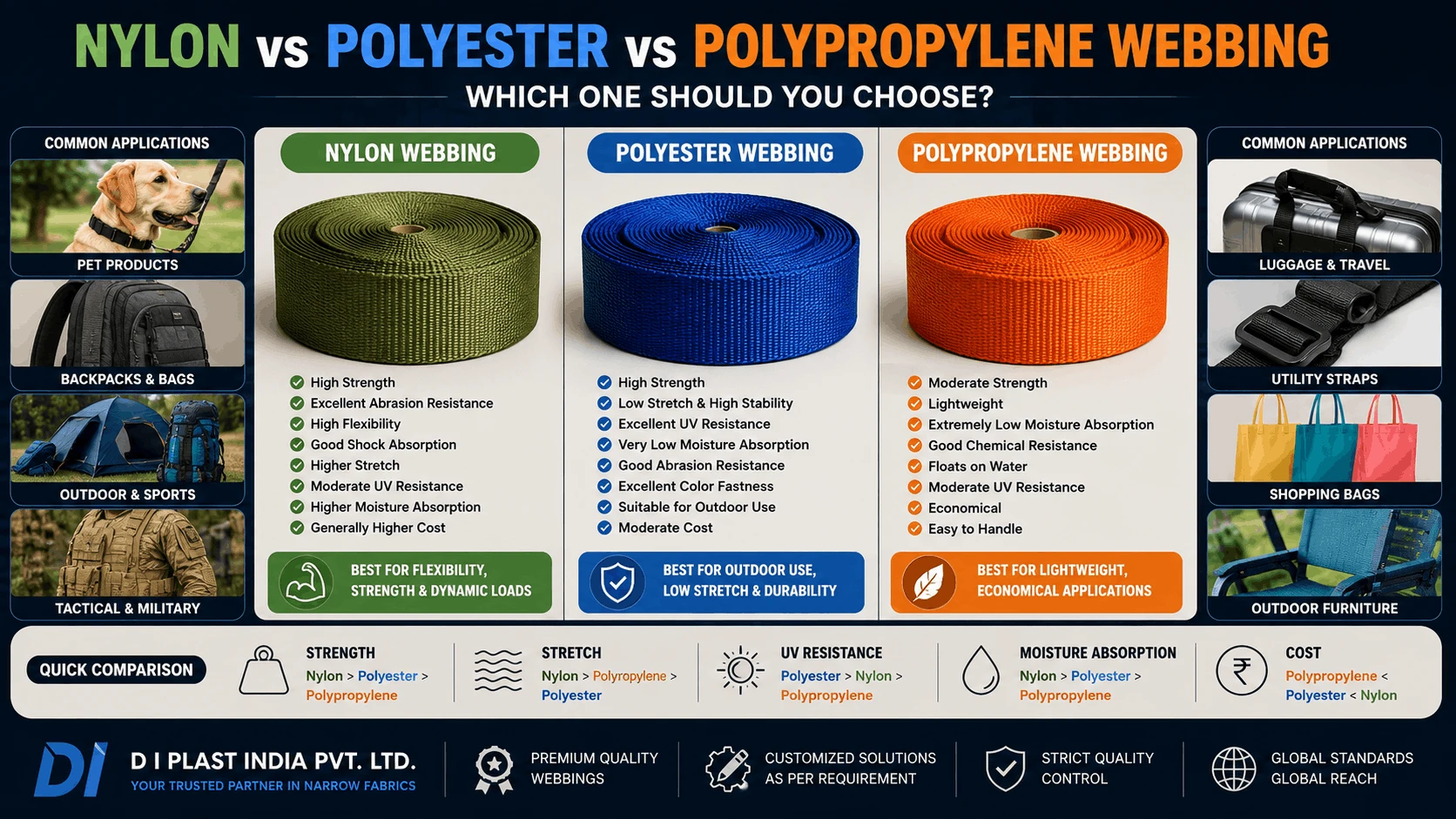
Nylon vs Polyester vs Polypropylene Webbing: Which One Shoul...
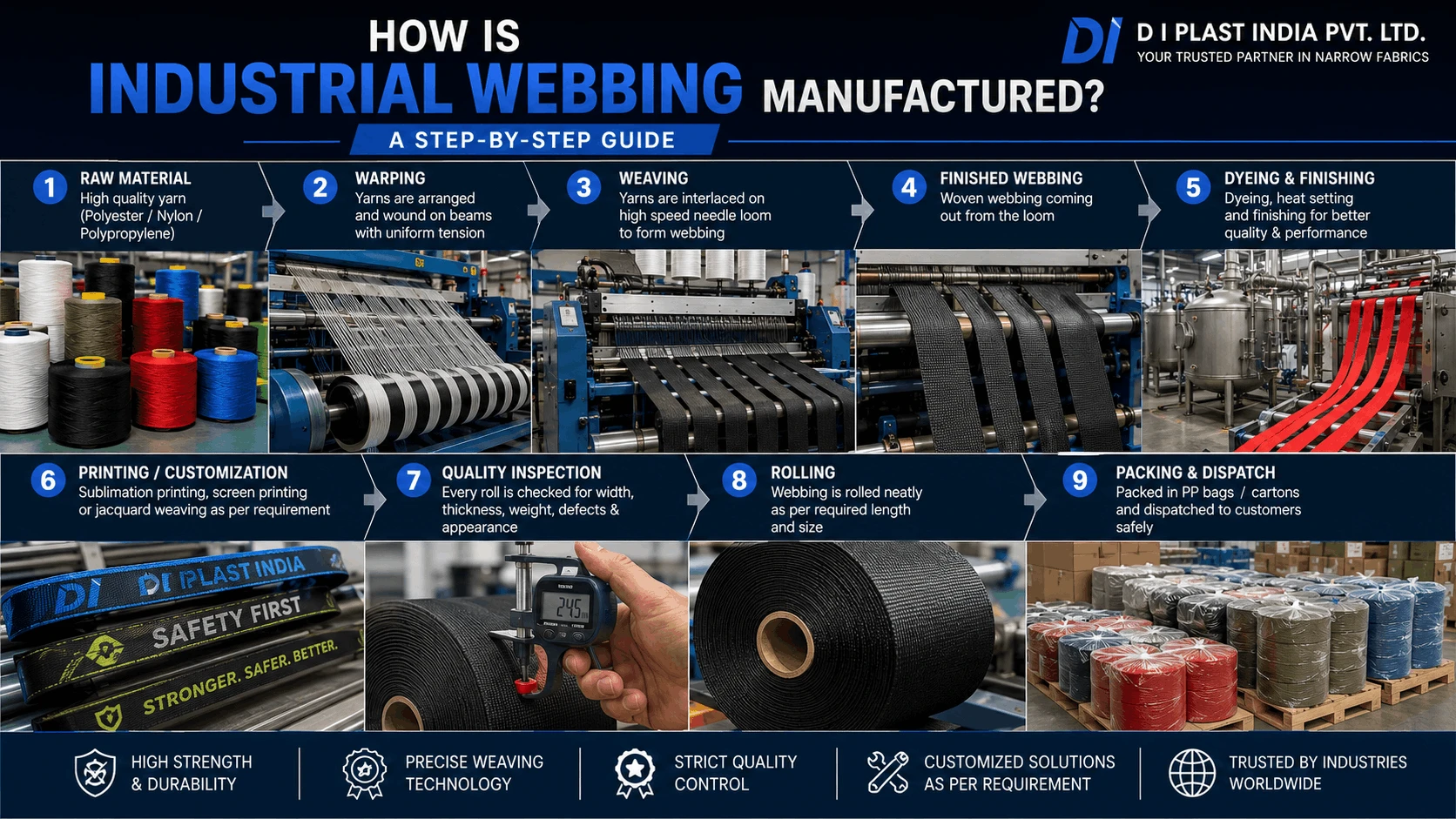
How Is Industrial Webbing Manufactured? A Step-by-Step Guide...
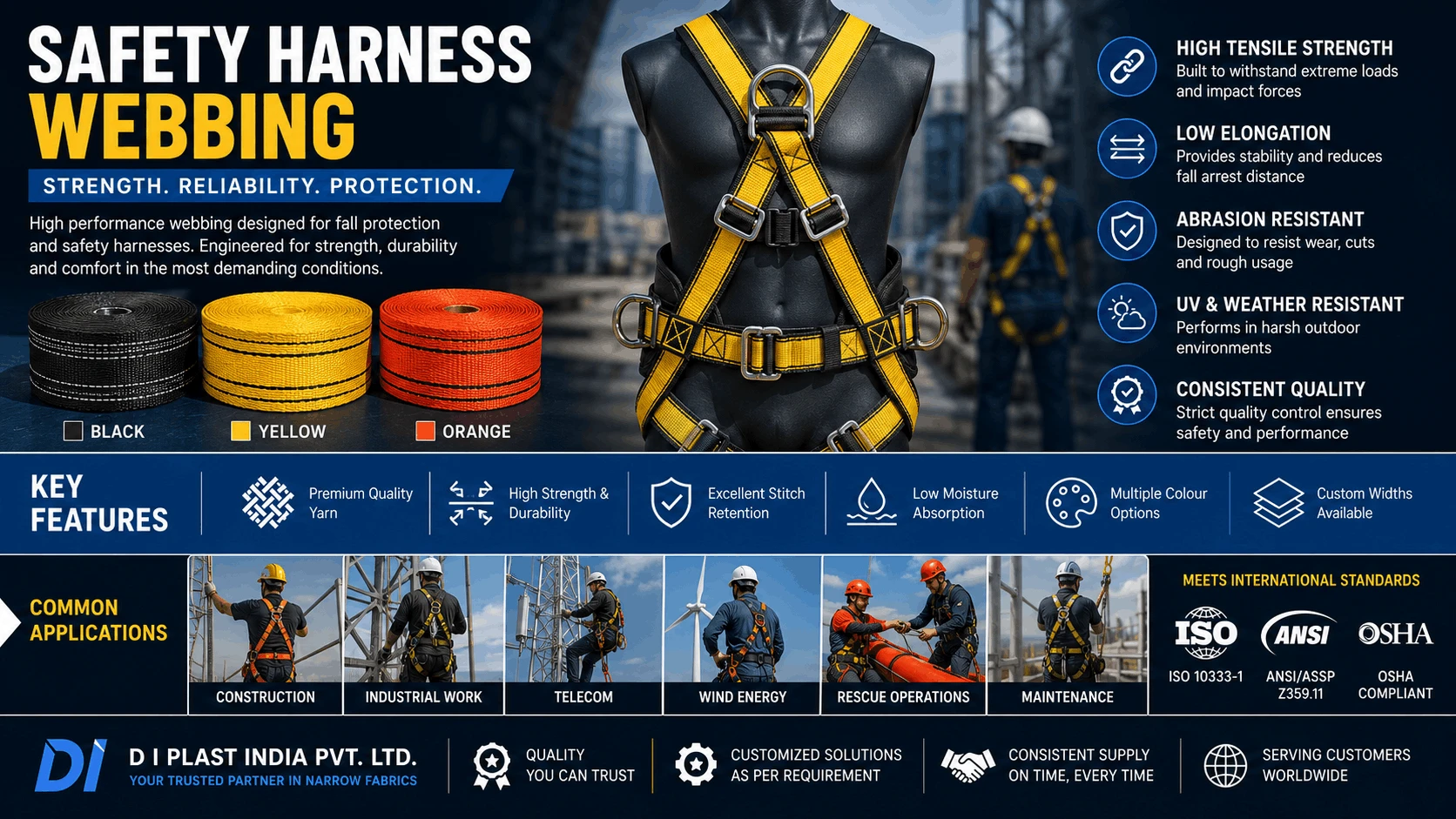
Safety Harness Webbing: Complete Guide to Materials, Strengt...
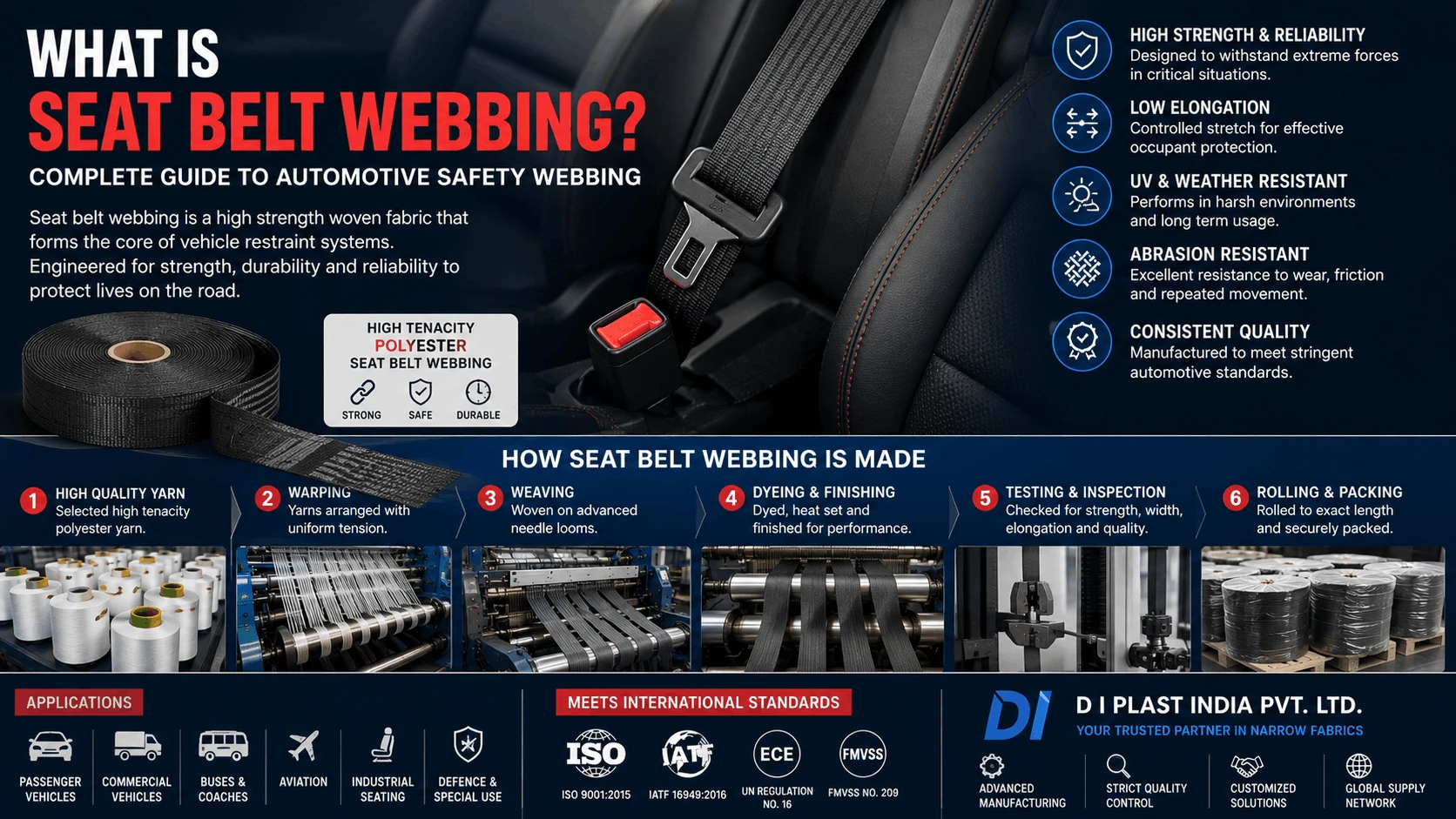
What Is Seat Belt Webbing? Complete Guide to Automotive Safe...
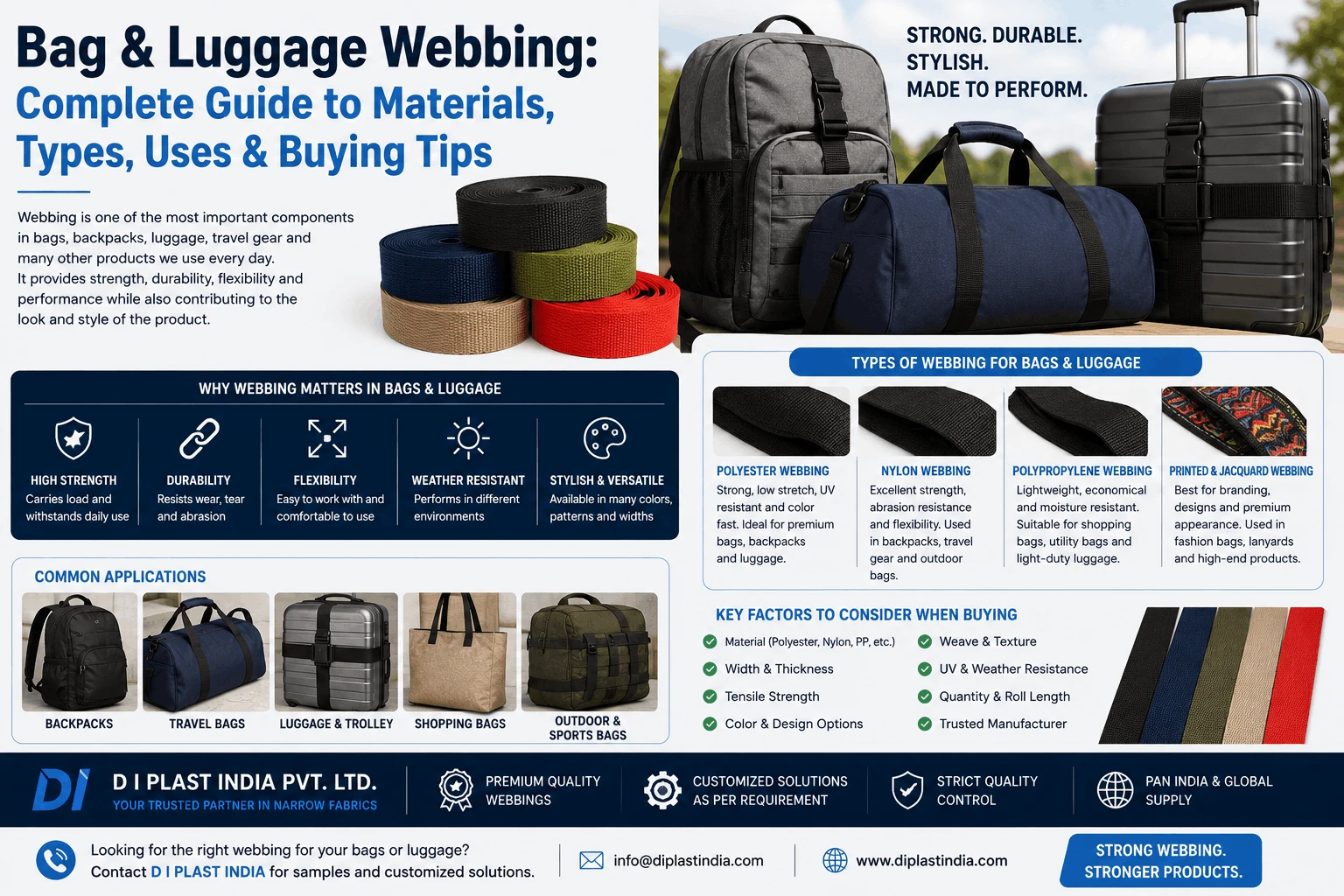
Bag & Luggage Webbing: Complete Guide to Materials, Type...
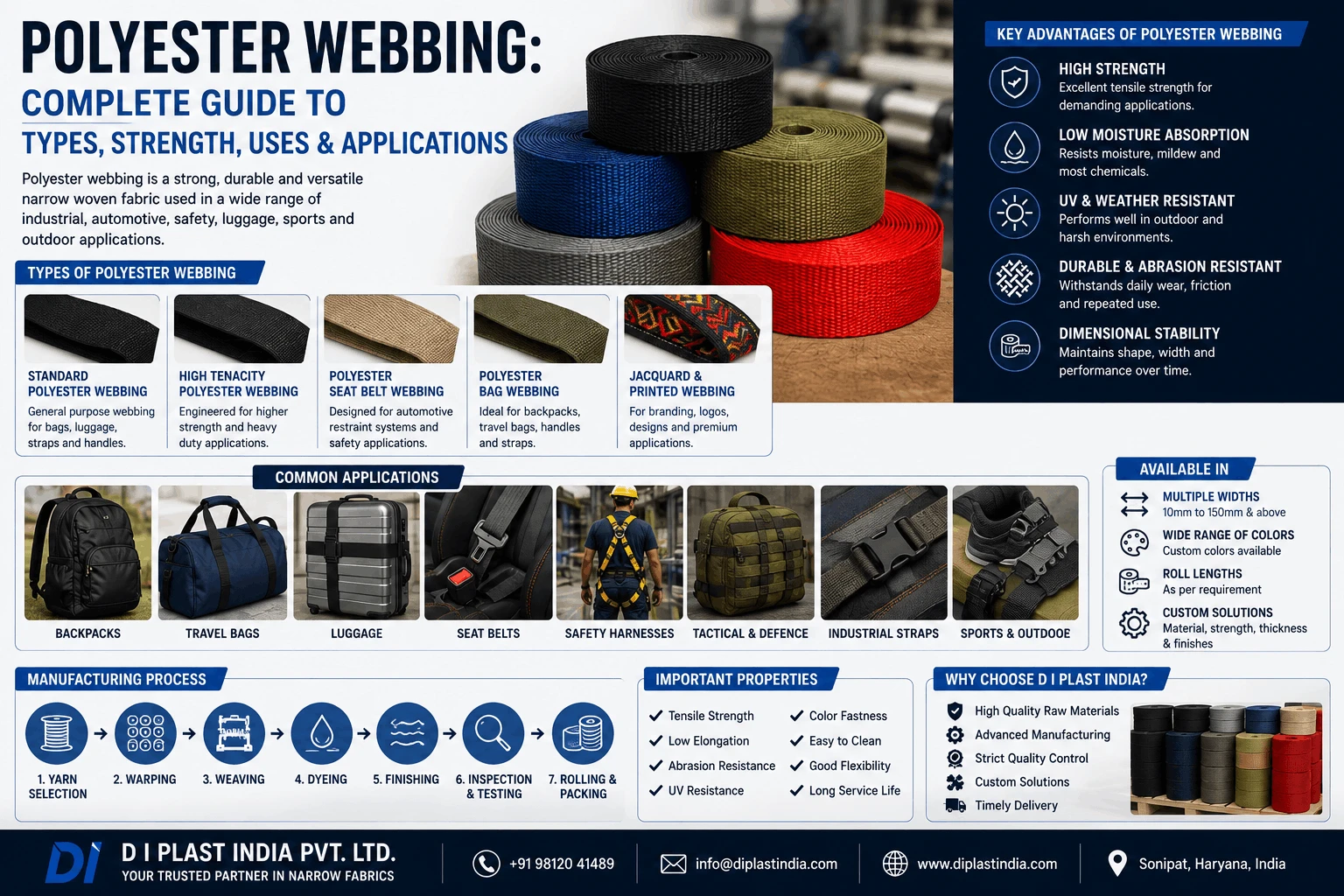
Polyester Webbing: Complete Guide to Types, Strength, Uses &...
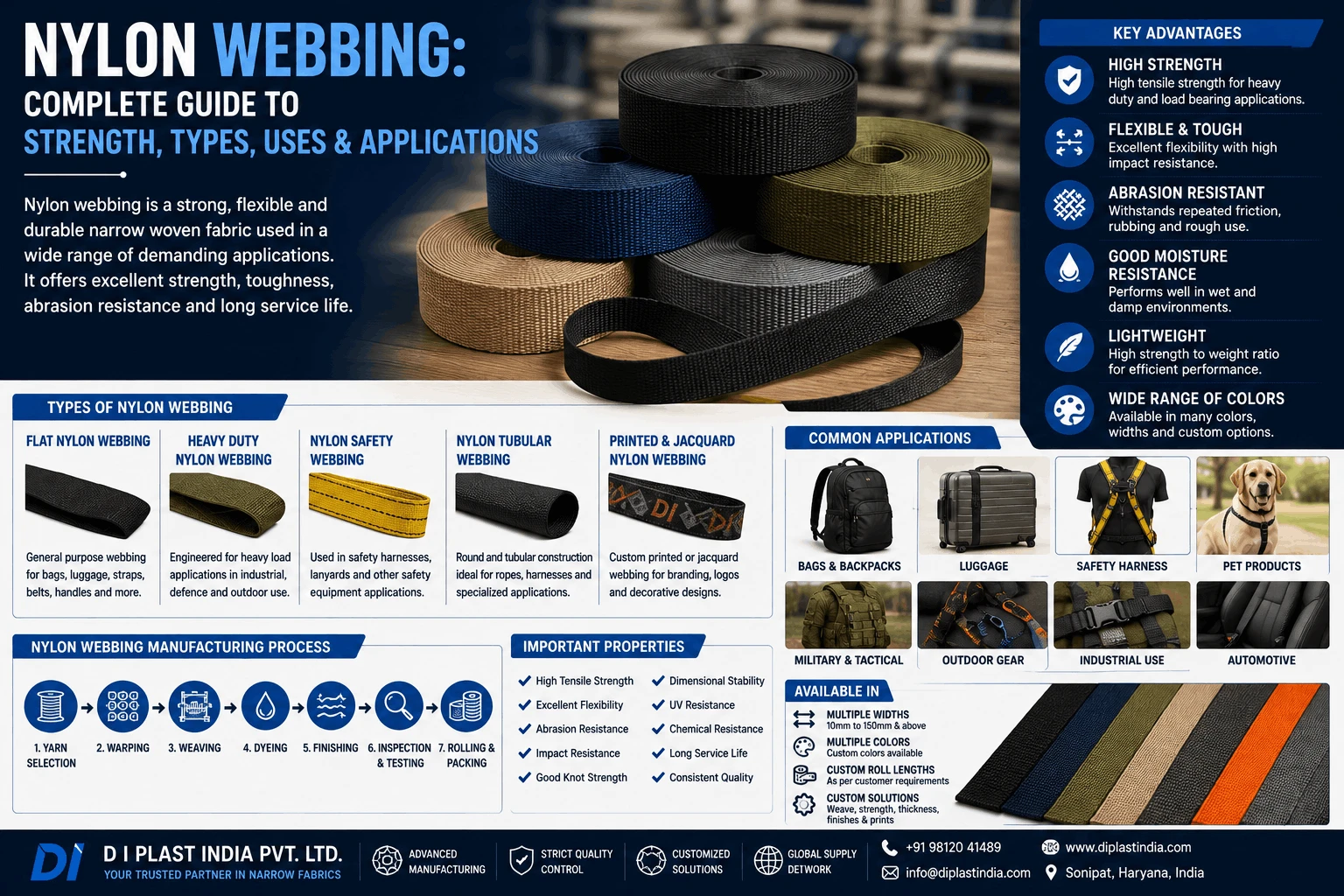
Nylon Webbing: Complete Guide to Strength, Types, Uses &...
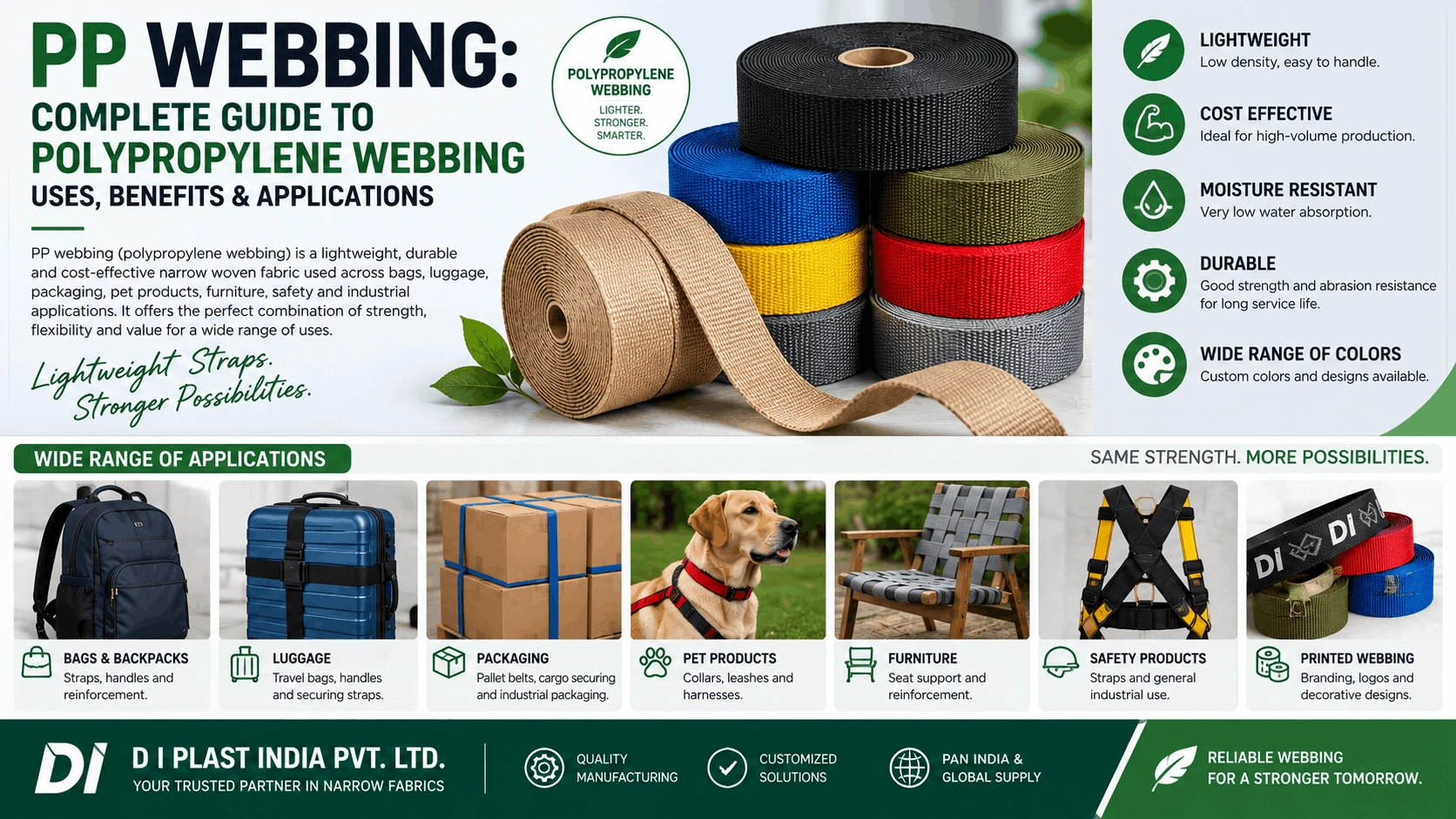
PP Webbing: Complete Guide to Polypropylene Webbing, Uses, B...
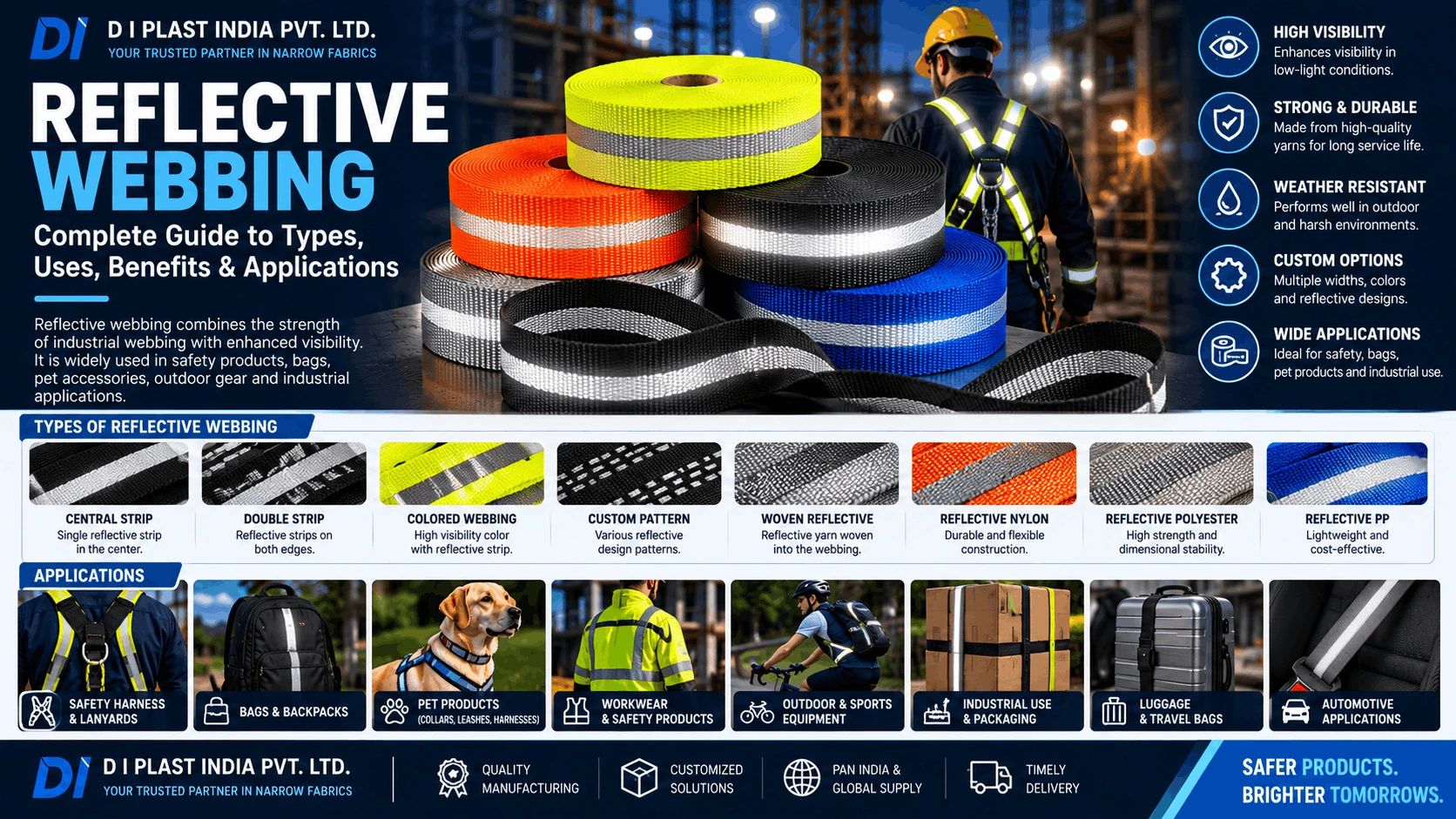
Reflective Webbing: Complete Guide to Types, Uses, Benefits...