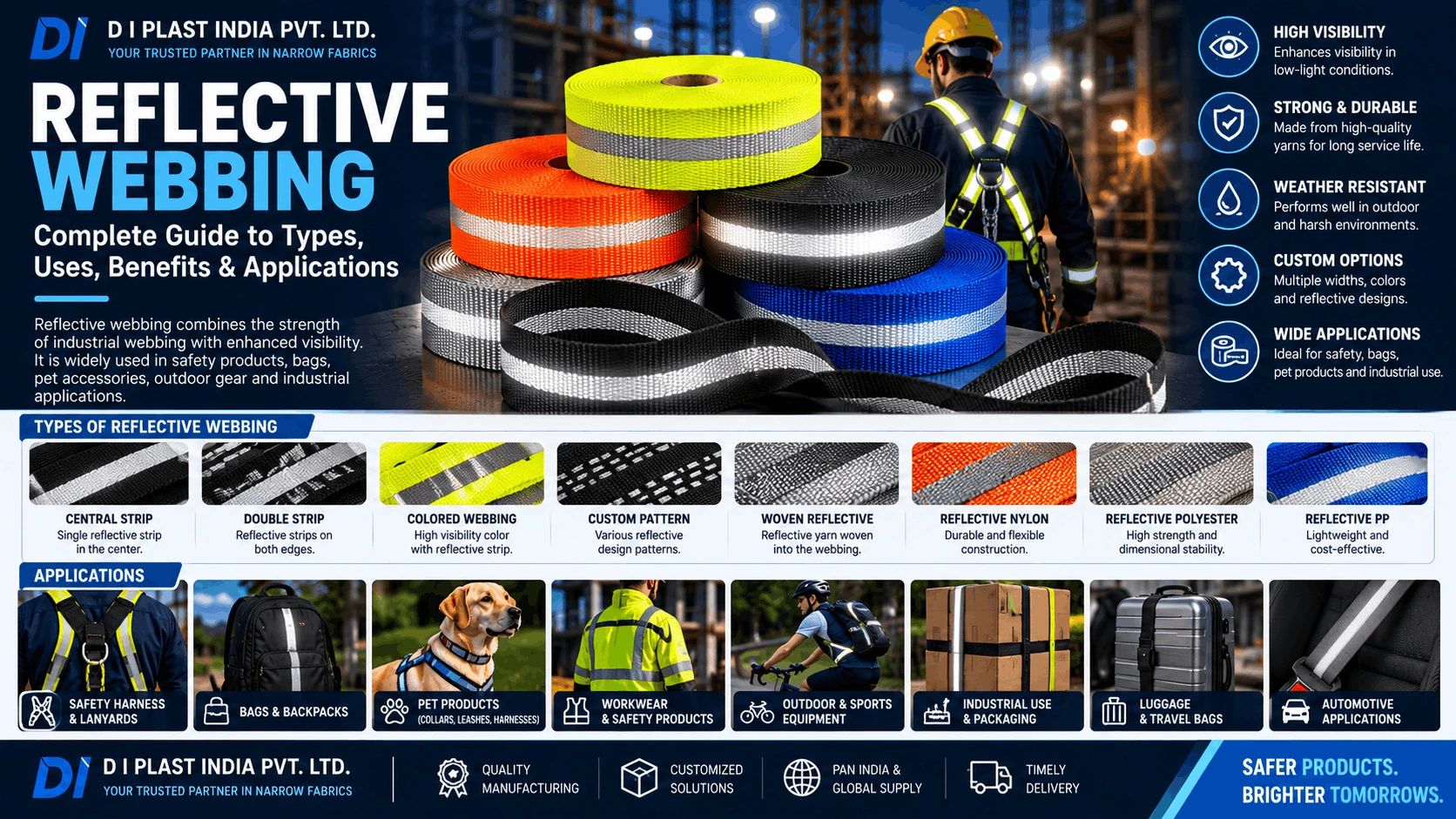
Reflective webbing is a narrow woven textile designed with reflective material incorporated into or applied to the webbing surface. It combines the strength and flexibility of conventional webbing with enhanced visibility when exposed to light.
It is widely used in safety products, bags, backpacks, pet accessories, workwear, outdoor equipment, industrial products and transportation-related applications.
For manufacturers, choosing the right reflective webbing involves more than selecting a bright color. Factors such as base material, reflective construction, width, thickness, tensile strength, adhesion, flexibility, wash durability and end-use requirements all need to be considered.
In this guide, we explain what reflective webbing is, how it is manufactured, where it is used and what buyers should consider before placing an order.
Reflective webbing is a woven strap or narrow fabric that incorporates a reflective element.
The reflective portion is designed to return incident light toward its source, making the material more noticeable under suitable lighting conditions.
Depending on the construction, reflective webbing can be produced using:
Reflective yarn
Reflective strips
Reflective films
Reflective tapes
Heat-fused reflective material
Woven reflective elements
Printed or customized reflective patterns
The base webbing can be manufactured from materials such as polyester, nylon or polypropylene, depending on the intended application.
Reflective materials work by directing light back toward its source rather than simply scattering it in different directions.
For example, when vehicle headlights illuminate reflective material on a bag, garment or safety accessory at night, the reflective section can appear significantly brighter to the observer positioned near the light source.
This makes reflective webbing useful for products where improved visibility is desirable.
However, reflective webbing should not automatically be considered a substitute for a complete certified high-visibility safety garment or other regulated safety equipment. The final product and application determine the relevant performance requirements.
Polyester is a popular base material for reflective webbing because of its combination of strength, dimensional stability and durability.
Reflective polyester webbing can be used for:
Bags
Backpacks
Safety accessories
Pet products
Outdoor equipment
Industrial straps
Workwear accessories
It can be produced in different widths, colors and constructions.
Nylon offers good strength, flexibility and abrasion resistance.
Reflective nylon webbing can be suitable for applications requiring a flexible and durable strap, such as:
Outdoor equipment
Pet accessories
Safety products
Sports products
Harness components
Bags and accessories
The correct construction should be selected according to the final product requirements.
Polypropylene webbing is lightweight and has low moisture absorption. Reflective elements can be incorporated into selected PP webbing constructions for applications where these characteristics are desirable.
Potential applications include:
Bags
Packaging accessories
Pet products
General-purpose straps
Promotional products
For safety-critical applications, the suitability of the complete material and assembly must always be verified against the relevant technical requirements.
Reflective strip webbing combines conventional woven webbing with a reflective strip running along the surface.
The strip can be positioned:
Centrally
Along one edge
Along both edges
In multiple parallel lines
In a customized pattern
This construction is particularly useful when the customer wants a strong visual contrast between the base webbing and reflective element.
High-visibility webbing typically combines a bright base color with reflective elements.
Common base colors include:
Yellow
Orange
Lime
Red
Blue
Black
The specific color and reflective arrangement should be selected according to the product's purpose and applicable requirements.
The most important benefit of reflective webbing is enhanced visibility under suitable lighting conditions.
This can be valuable for products used during:
Night-time activities
Roadside operations
Outdoor work
Cycling
Running
Walking
Pet walking
Industrial activities
The woven base provides structural support while the reflective element contributes visibility.
The durability of the final product depends on:
Base yarn
Weave construction
Reflective material
Fusing or attachment method
Finishing
Environmental exposure
Webbing is flexible and can be:
Sewn
Folded
Stitched
Cut
Attached to buckles
Used with hooks
Integrated into bags and harnesses
This makes reflective webbing suitable for many product designs.
Manufacturers can customize reflective webbing according to customer requirements.
Possible customization options include:
Width
Thickness
Color
Reflective strip width
Reflective pattern
Logo
Printing
Weave construction
Roll length
Reflective webbing has applications across consumer, industrial and outdoor products.
Reflective webbing can be used on:
School bags
Backpacks
Laptop bags
Travel bags
Sports bags
Outdoor backpacks
Utility bags
It can be used as a shoulder strap, reinforcement, handle or decorative safety element.
Reflective webbing is particularly useful for:
Dog collars
Dog leashes
Pet harnesses
Pet accessories
Reflective elements can help make pets more noticeable during low-light walks.
Reflective webbing can be incorporated into certain:
Safety harness accessories
Industrial straps
Safety belts
Lanyard components
Workwear accessories
High-visibility products
The final safety product must be evaluated according to its intended use and applicable standards.
Reflective webbing is also used in:
Cycling equipment
Running accessories
Camping products
Outdoor bags
Sports straps
Adventure equipment
Industrial manufacturers may use reflective webbing in products designed for workers who need increased visibility.
Applications may include:
Safety vests
Workwear accessories
Industrial bags
Equipment straps
Utility products
Although the terms are sometimes used interchangeably, reflective webbing and reflective tape are not necessarily the same.
Reflective tape is generally a narrow strip of reflective material that can be applied to another surface.
Reflective webbing is a woven textile strap that provides structural strength while incorporating reflective material.
The main difference is that webbing is generally designed to function as a textile strap, while reflective tape may primarily function as a visibility material.
For applications involving mechanical loads, the strength of the webbing itself becomes an important consideration.
The manufacturing process varies according to construction, but a typical process includes the following stages.
The manufacturer selects suitable yarn based on:
Required strength
Width
Thickness
Application
Color
Flexibility
Finishing requirements
Polyester and nylon are commonly considered for higher-performance webbing applications.
The yarns are prepared and arranged on beams according to the required construction.
Correct yarn tension is important for maintaining consistent webbing quality.
The prepared yarns are woven on a narrow fabric or needle loom.
The weaving parameters determine:
Width
Thickness
Density
Weight
Surface appearance
Edge quality
Depending on the design, reflective material can be incorporated into the webbing during weaving or applied afterward.
Possible methods include:
Weaving reflective yarn
Heat fusing
Laminating
Applying reflective strips
Specialized finishing processes
The webbing may undergo finishing processes to achieve the required:
Surface appearance
Dimensional stability
Softness
Shrinkage control
Reflective performance
Finished webbing should be inspected for:
Width
Thickness
Weight
Color
Reflective appearance
Edge quality
Surface defects
Adhesion where applicable
Tensile performance
The finished webbing is converted into customer-specified roll lengths and packed for storage and transportation.
Choosing the right reflective webbing requires looking beyond appearance.
Reflective webbing can be manufactured in different widths depending on the final application.
Common considerations include:
Strap design
Stitching area
Hardware compatibility
Required strength
Product appearance
Thickness affects:
Strength
Flexibility
Stitching
Folding
Hardware compatibility
Product feel
Ask whether the webbing is made from:
Polyester
Nylon
Polypropylene
Another specified material
The correct material depends on the intended application.
Ask the supplier how the reflective element is incorporated.
For example:
Woven reflective yarn
Heat-fused strip
Laminated reflective material
Surface-applied reflective tape
The construction can affect flexibility, appearance and durability.
For load-bearing applications, tensile strength is an important specification.
The required strength should be established for the finished product rather than selecting webbing based solely on appearance.
For products exposed to frequent use, buyers should consider whether the reflective material can withstand:
Bending
Abrasion
Washing
Moisture
Temperature variation
Outdoor exposure
Testing requirements should be established according to the final application.
A reliable supplier should be able to provide consistent production and technical support.
Consider the following:
Check whether the manufacturer can produce the required:
Width
Thickness
Color
Construction
Reflective configuration
Roll length
For branded products, customization may include:
Custom colors
Logos
Printed designs
Reflective patterns
Specific widths
Customized packaging
Ask how the supplier controls:
Width
Tensile strength
Reflective application
Color consistency
Edge quality
Roll length
Surface finish
Always request a sample before large-scale production when the webbing will be incorporated into a new product.
The sample should be evaluated for:
Appearance
Flexibility
Stitching
Reflective visibility
Tensile performance
Compatibility with hardware
End-product performance
D I Plast India Pvt. Ltd. offers customized industrial webbing solutions for applications across bags, safety products, pet products, industrial products and other technical textile segments.
The company works with different narrow woven constructions and can support customers with requirements involving width, color, construction and customized webbing solutions.
For buyers developing reflective products, the correct specification should be finalized based on the application, required performance and final assembly.
Reflective webbing is used in bags, backpacks, pet products, safety accessories, outdoor equipment, workwear and various industrial products where improved visibility is desirable.
There is no single material that is best for every application. Polyester and nylon are common choices, while polypropylene may be suitable for selected applications. The choice depends on strength, flexibility, environmental exposure and the final product requirements.
Yes. Reflective webbing can be customized in terms of width, thickness, base color, reflective strip configuration, construction, printing and roll length, depending on the manufacturer's capabilities.
The water resistance of reflective webbing depends on the base textile, reflective material and finishing process. It should not automatically be considered waterproof unless the finished construction has been tested and specified for waterproof performance.
Yes. Reflective webbing is commonly used for pet collars, leashes and harnesses because reflective elements can improve visibility during low-light walks.
Yes. Certain reflective webbing constructions can be printed or customized with logos, patterns or branding, depending on the material and printing process.
Reflective tape is generally a reflective strip designed to be applied to another surface, while reflective webbing is a woven strap that combines structural textile construction with reflective elements.
Consider the application, material, width, thickness, tensile strength, reflective construction, flexibility, environmental exposure, washing requirements and compatibility with the finished product.

Industrial nylon webbing safety belts are essential safety p...
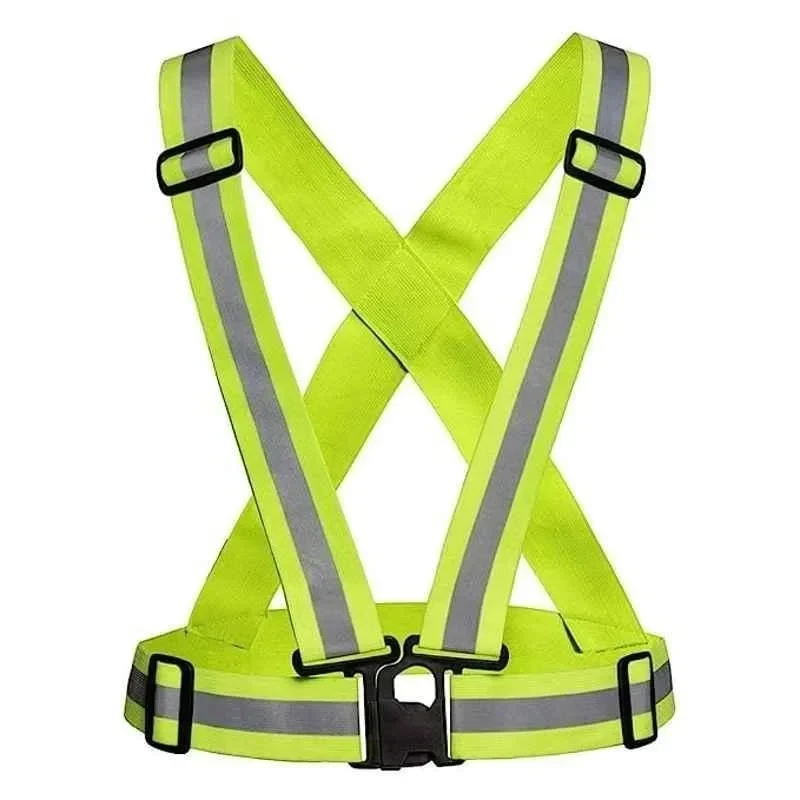
Industrial safety belts for maximum protection are specially...
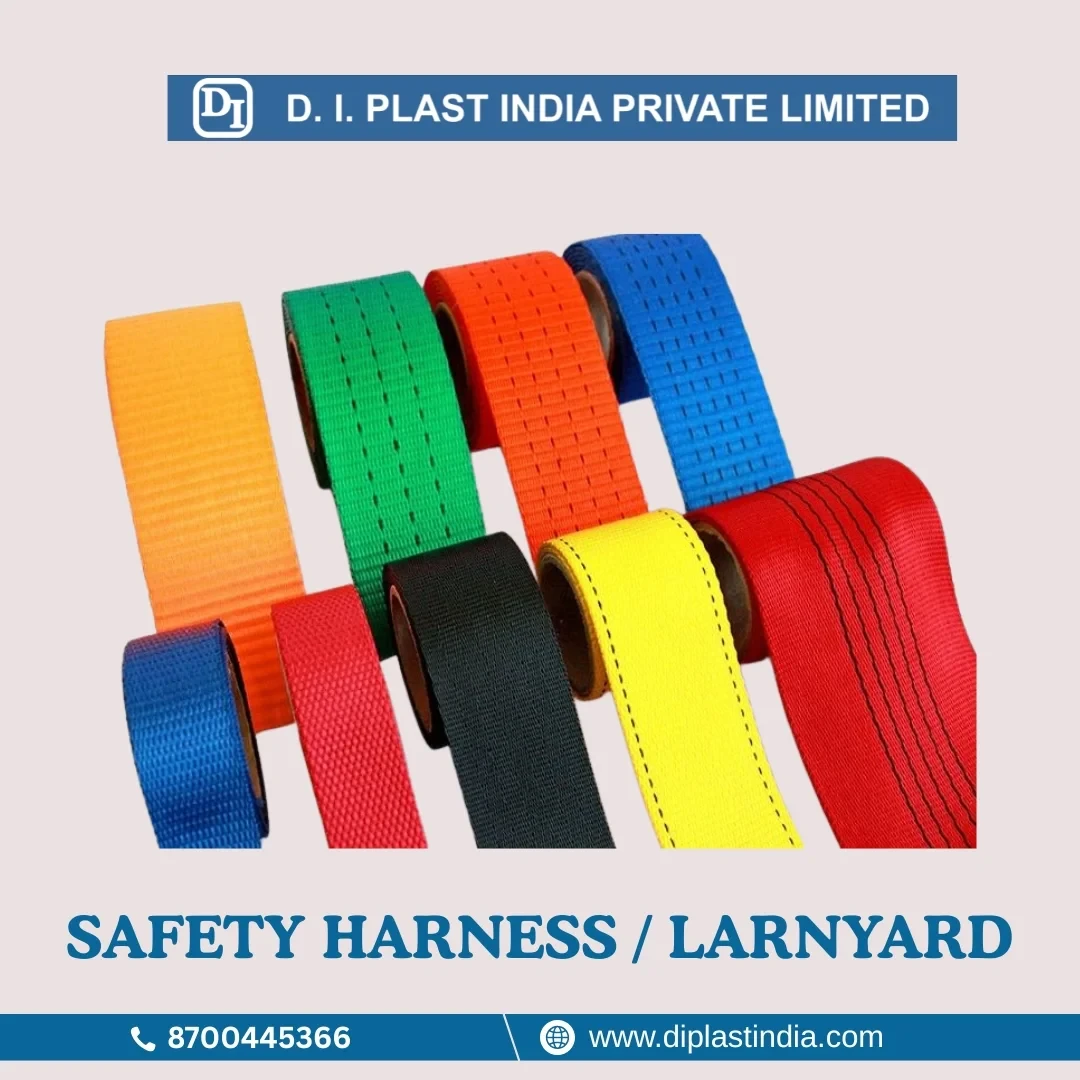
Reliable safety harness solutions are an important part of w...
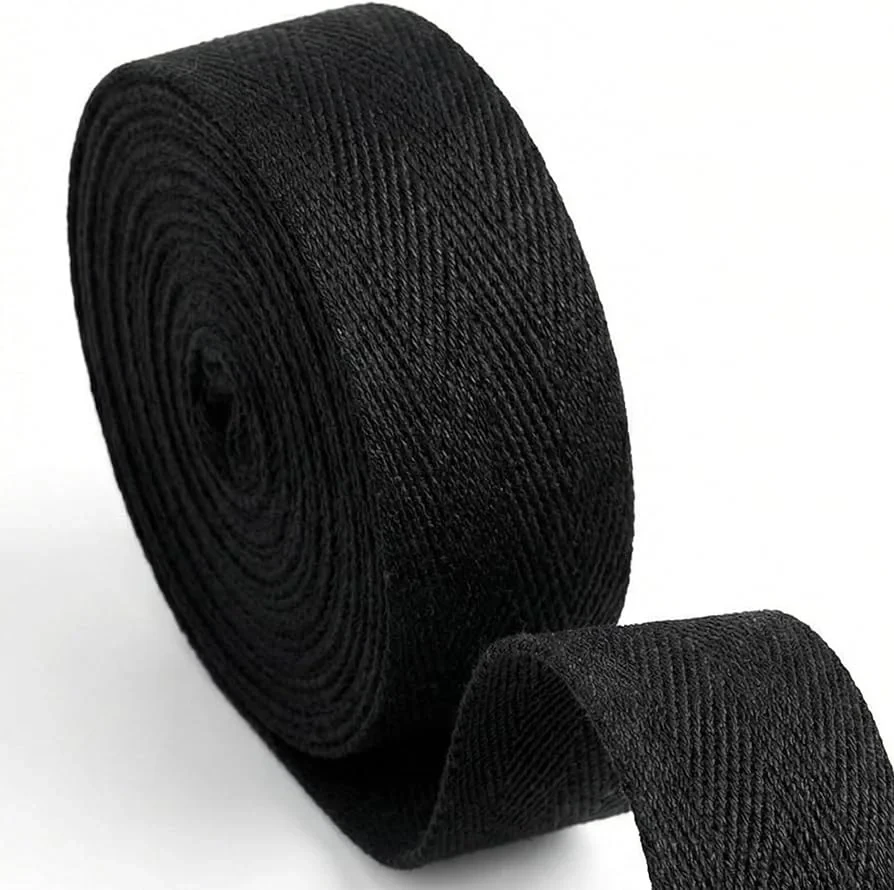
Narrow woven fabric tape manufacturing plays an important ro...
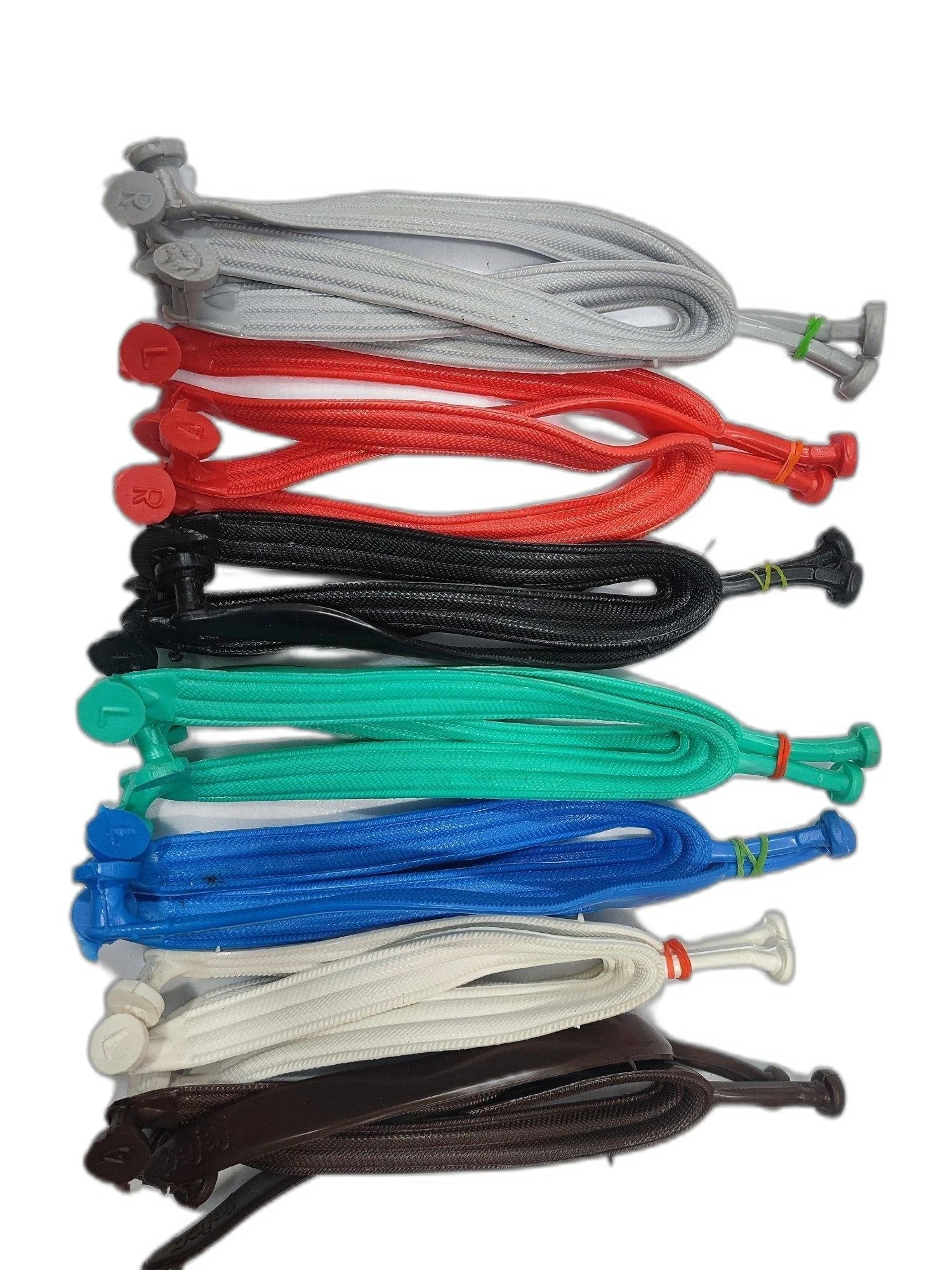
Durable slipper strap manufacturing solutions are essential...
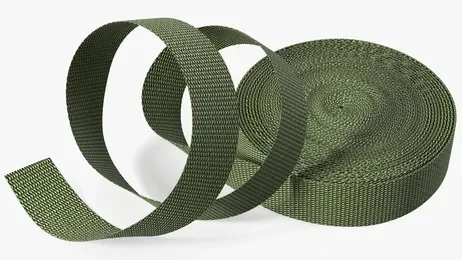
High strength industrial woven tapes are designed for indust...
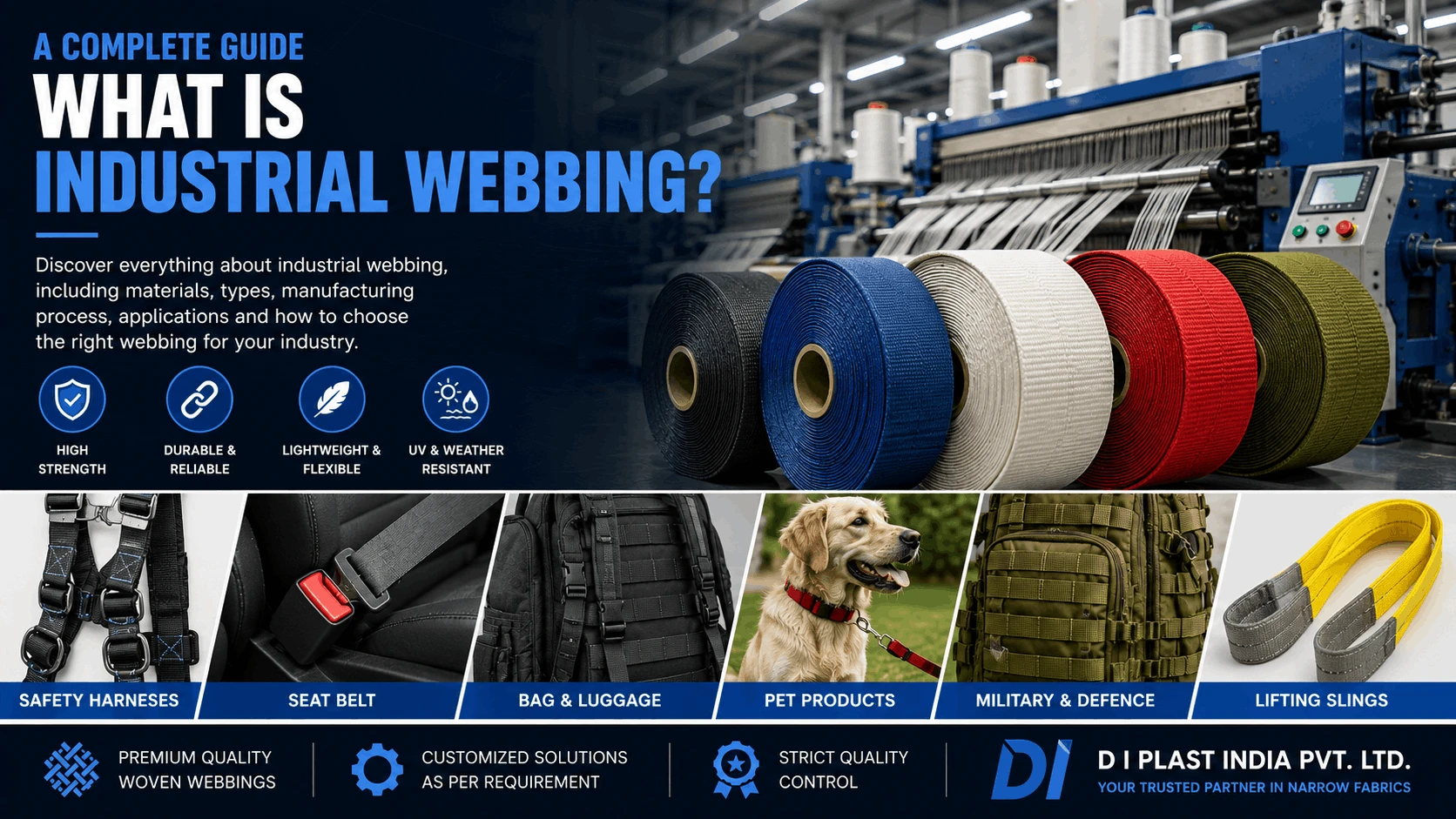
What Is Industrial Webbing?Industrial webbing is a high-stre...
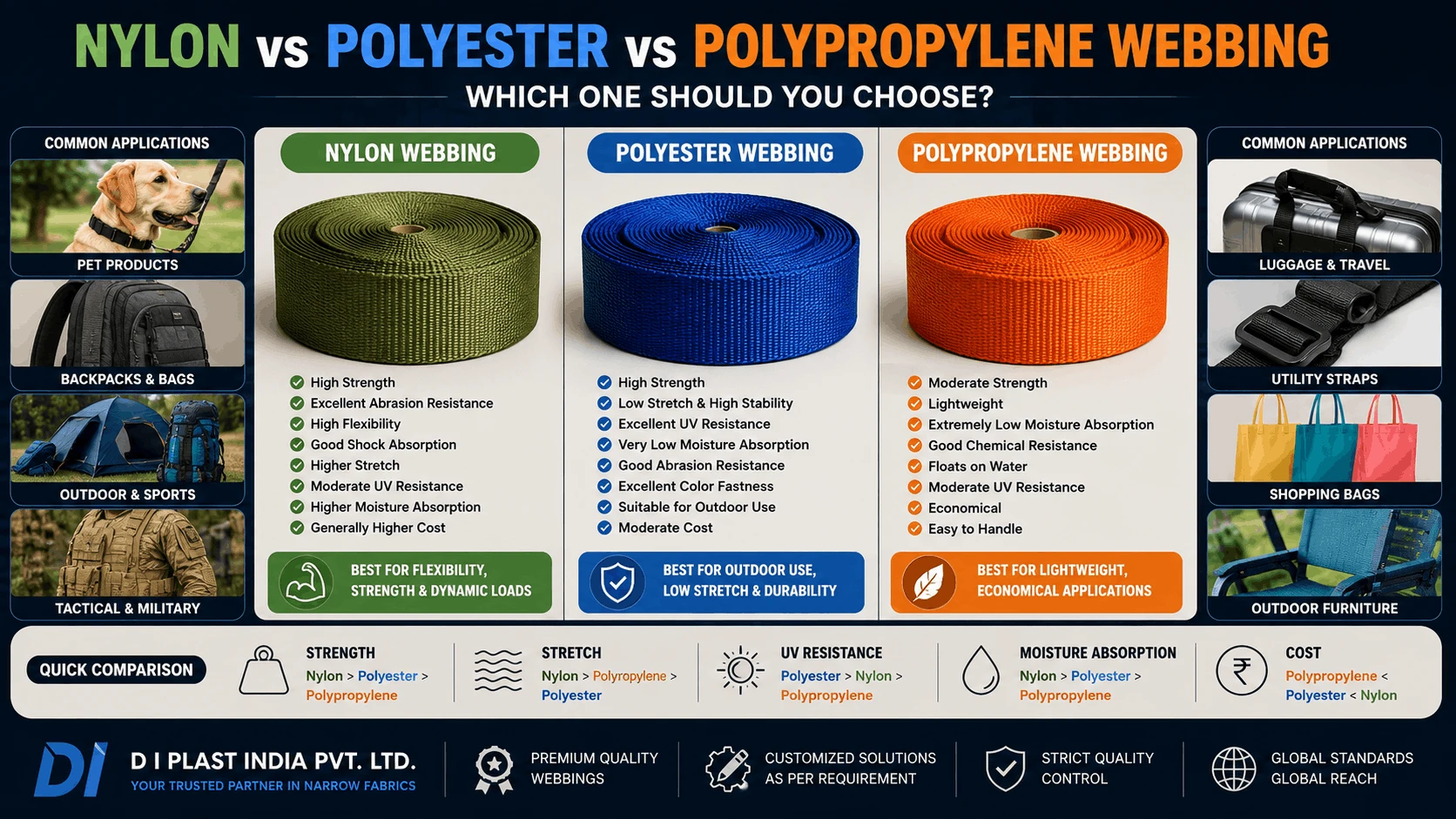
Nylon vs Polyester vs Polypropylene Webbing: Which One Shoul...
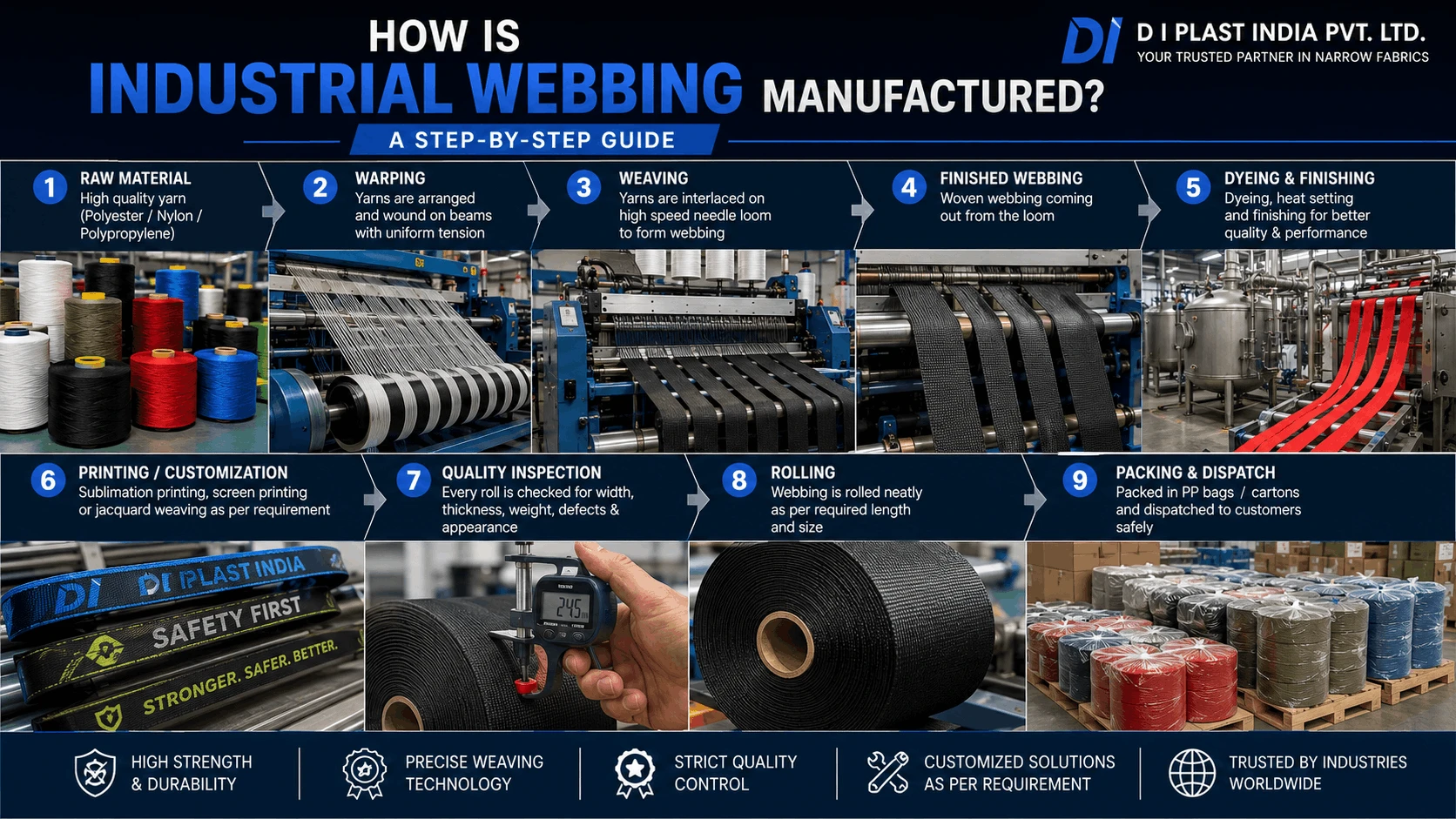
How Is Industrial Webbing Manufactured? A Step-by-Step Guide...
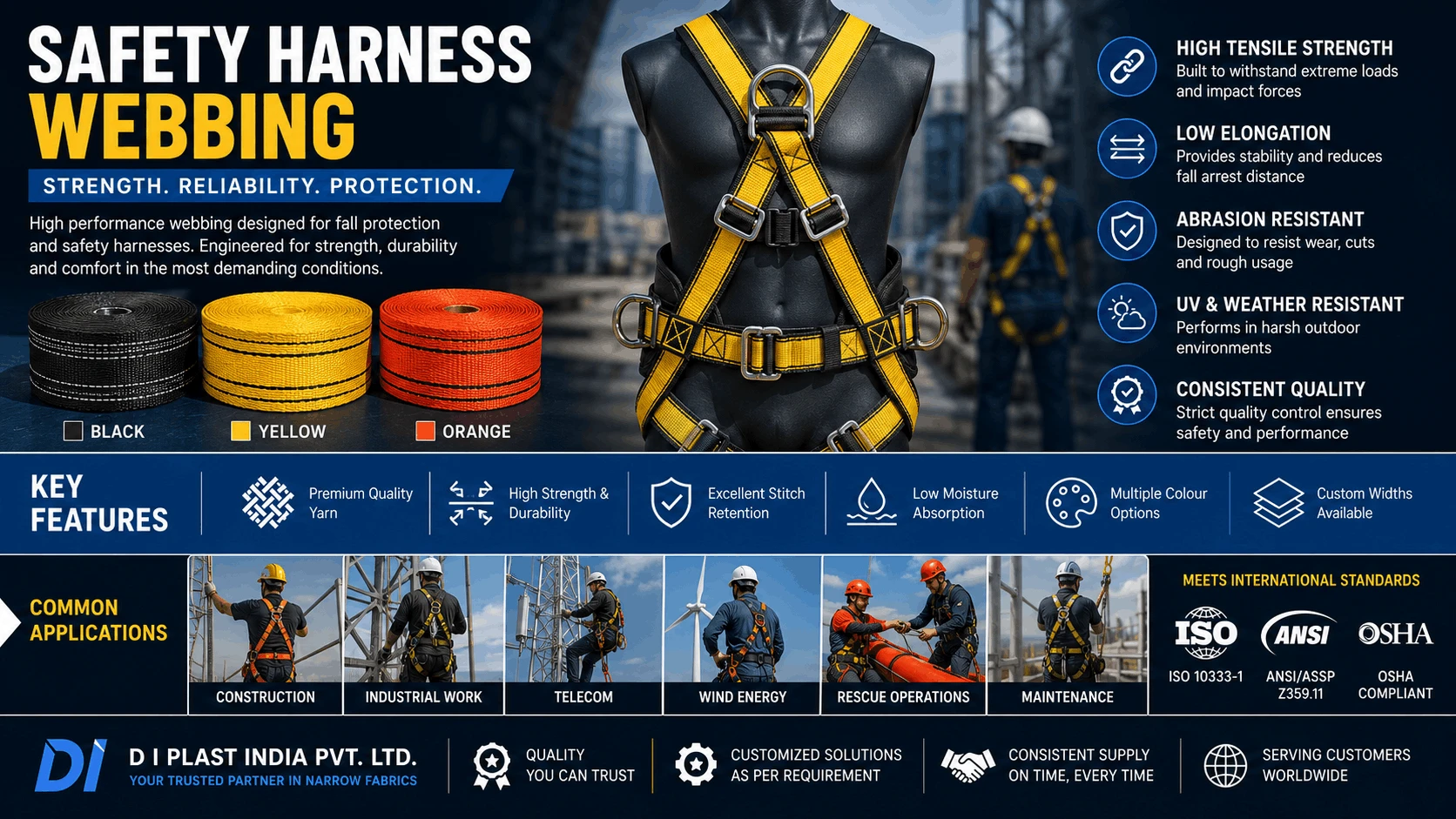
Safety Harness Webbing: Complete Guide to Materials, Strengt...
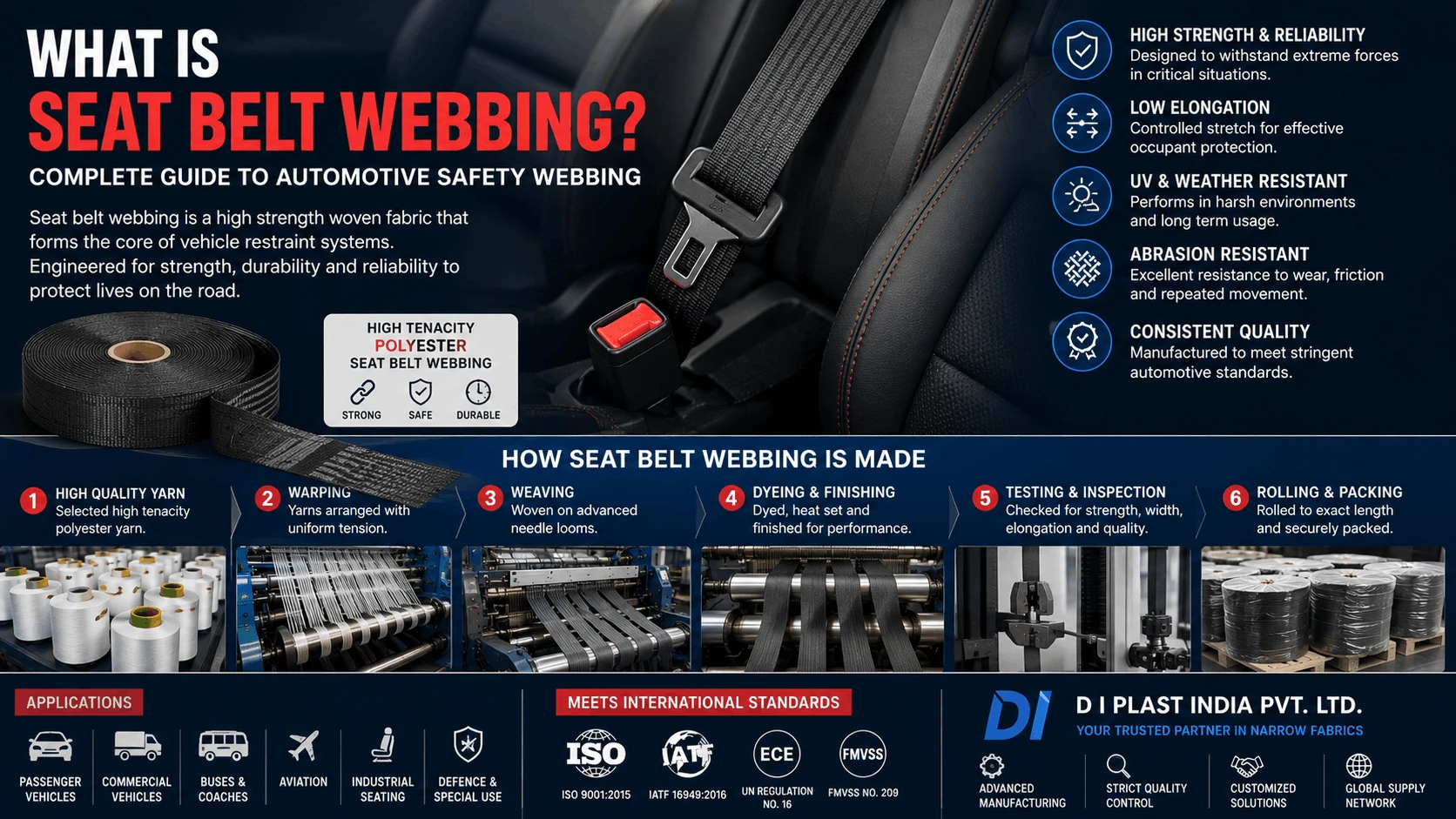
What Is Seat Belt Webbing? Complete Guide to Automotive Safe...
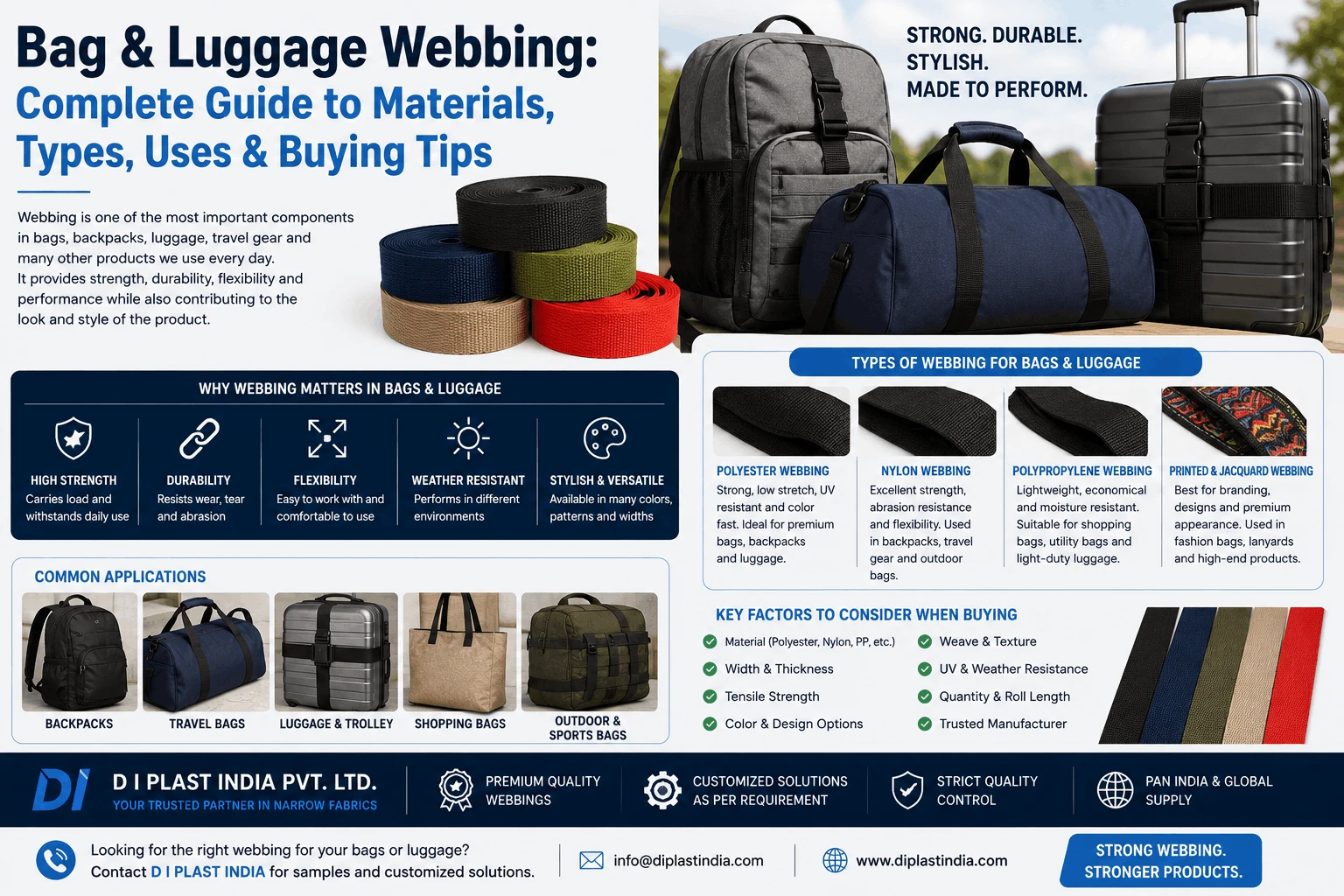
Bag & Luggage Webbing: Complete Guide to Materials, Type...
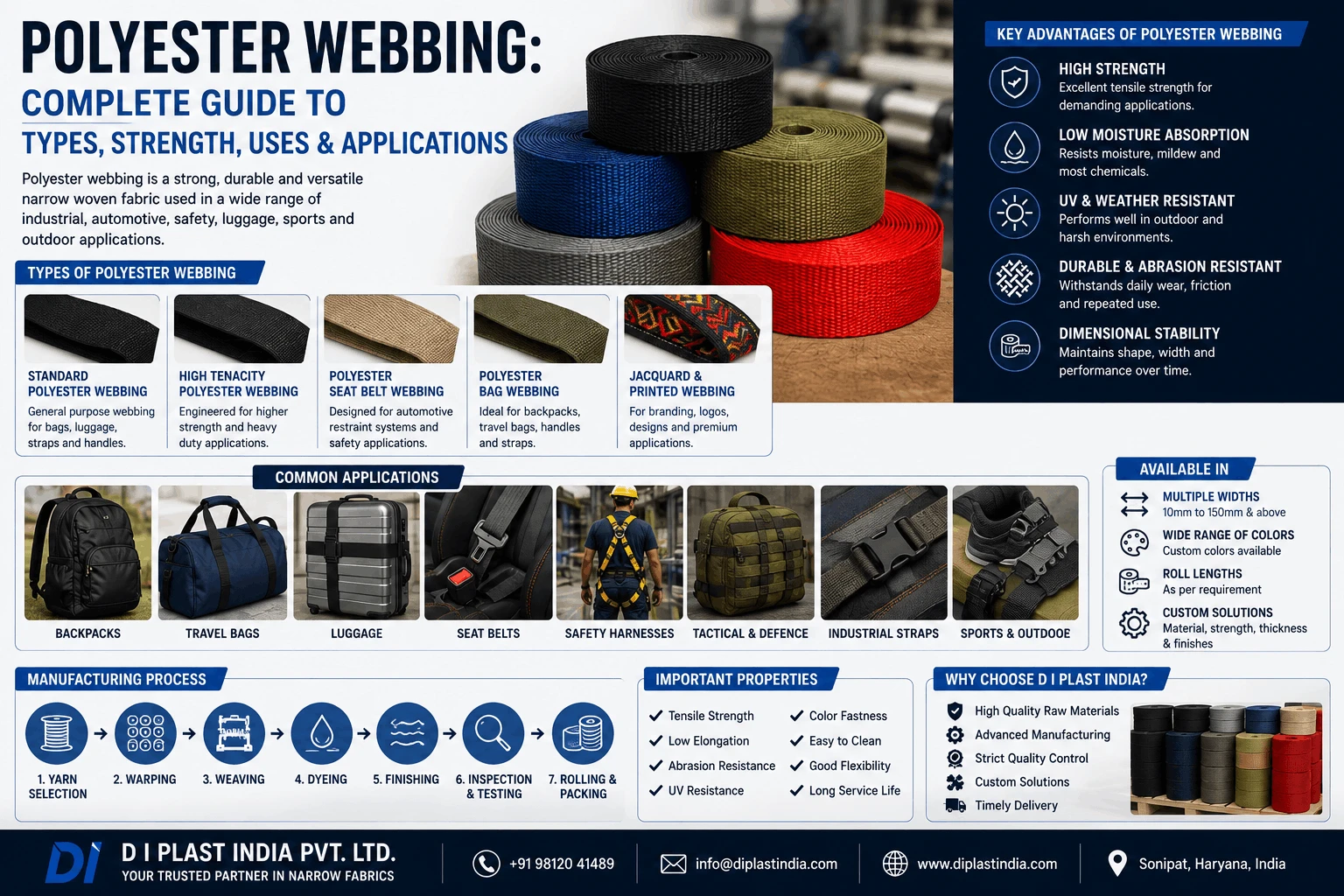
Polyester Webbing: Complete Guide to Types, Strength, Uses &...
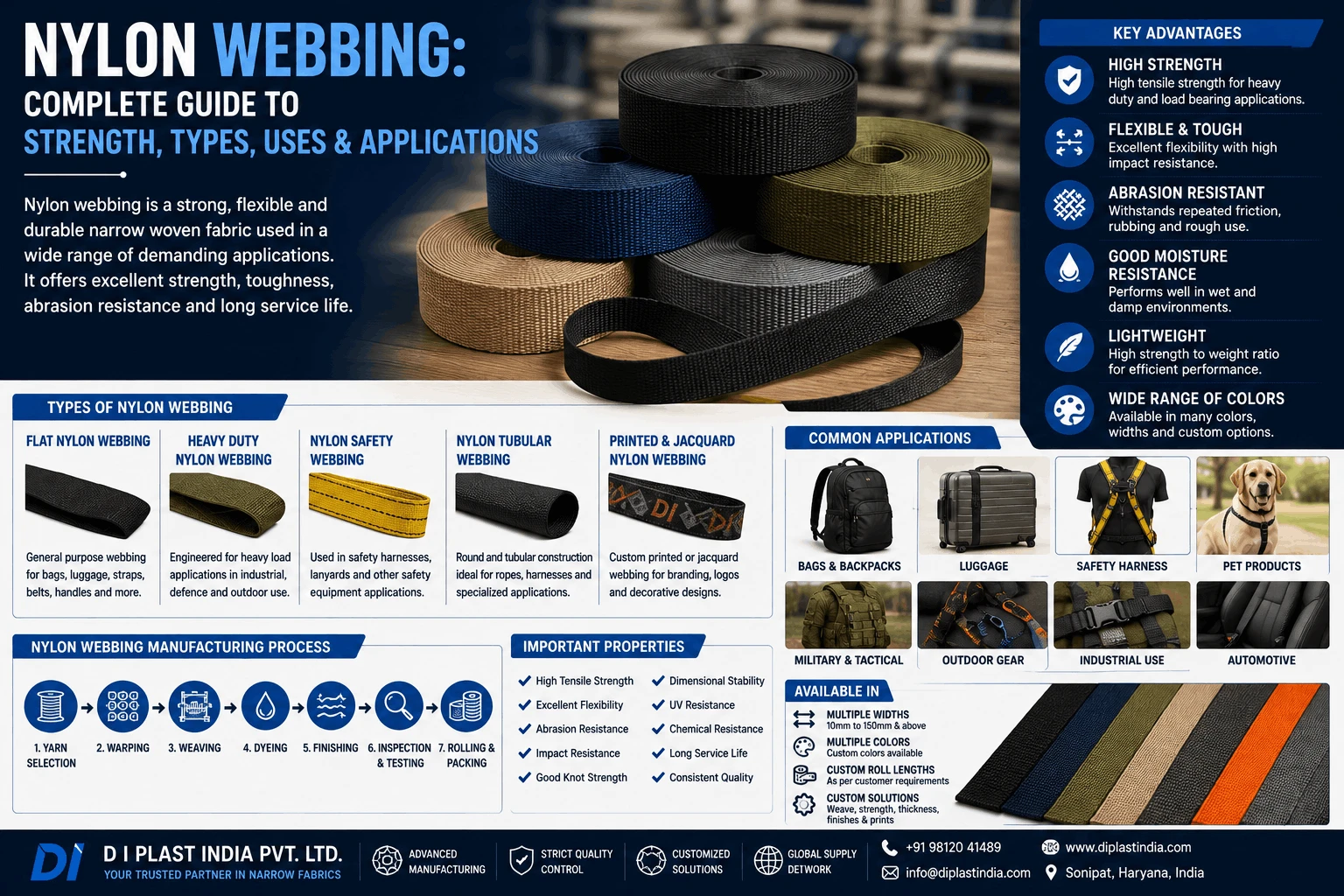
Nylon Webbing: Complete Guide to Strength, Types, Uses &...
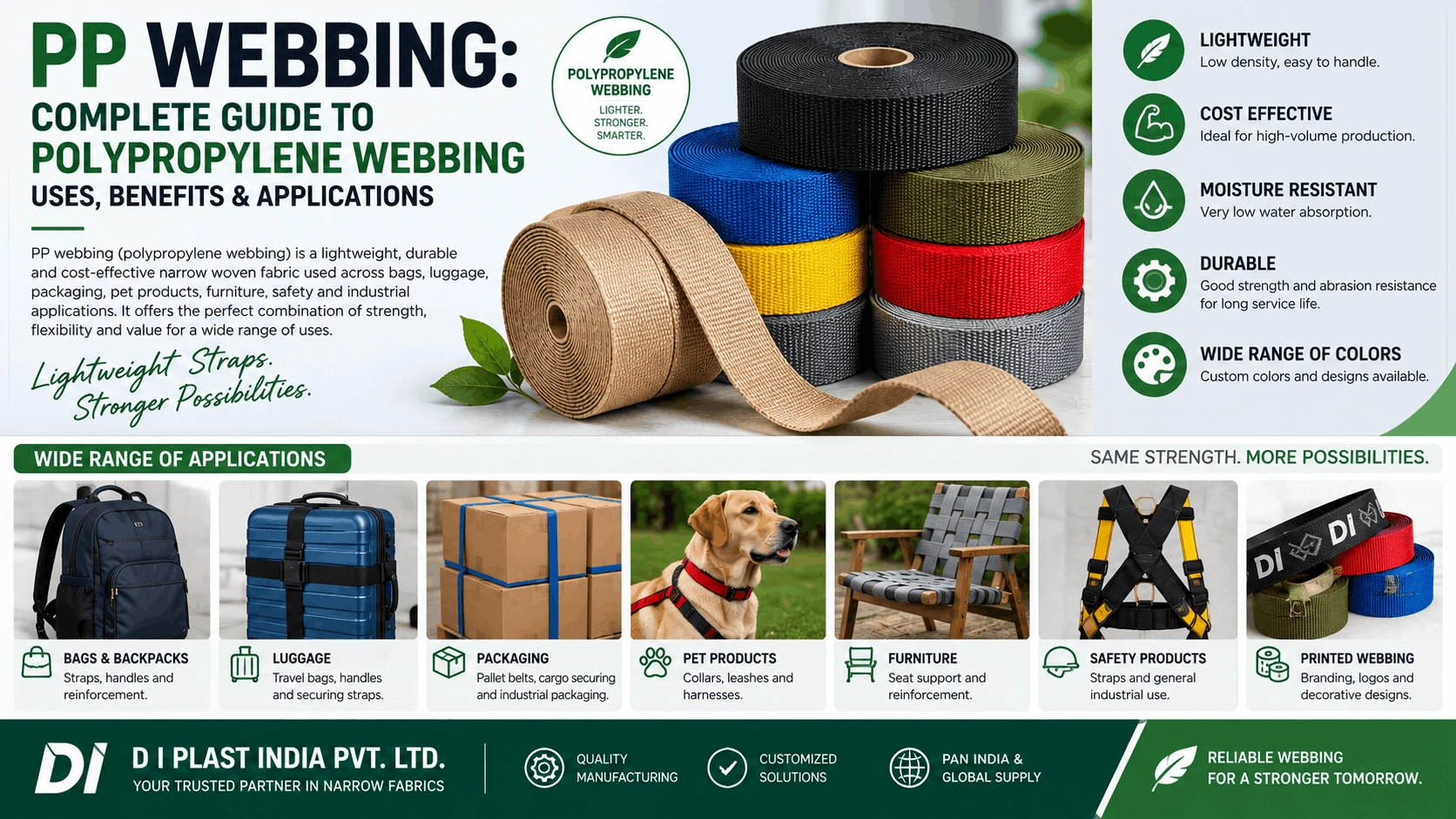
PP Webbing: Complete Guide to Polypropylene Webbing, Uses, B...
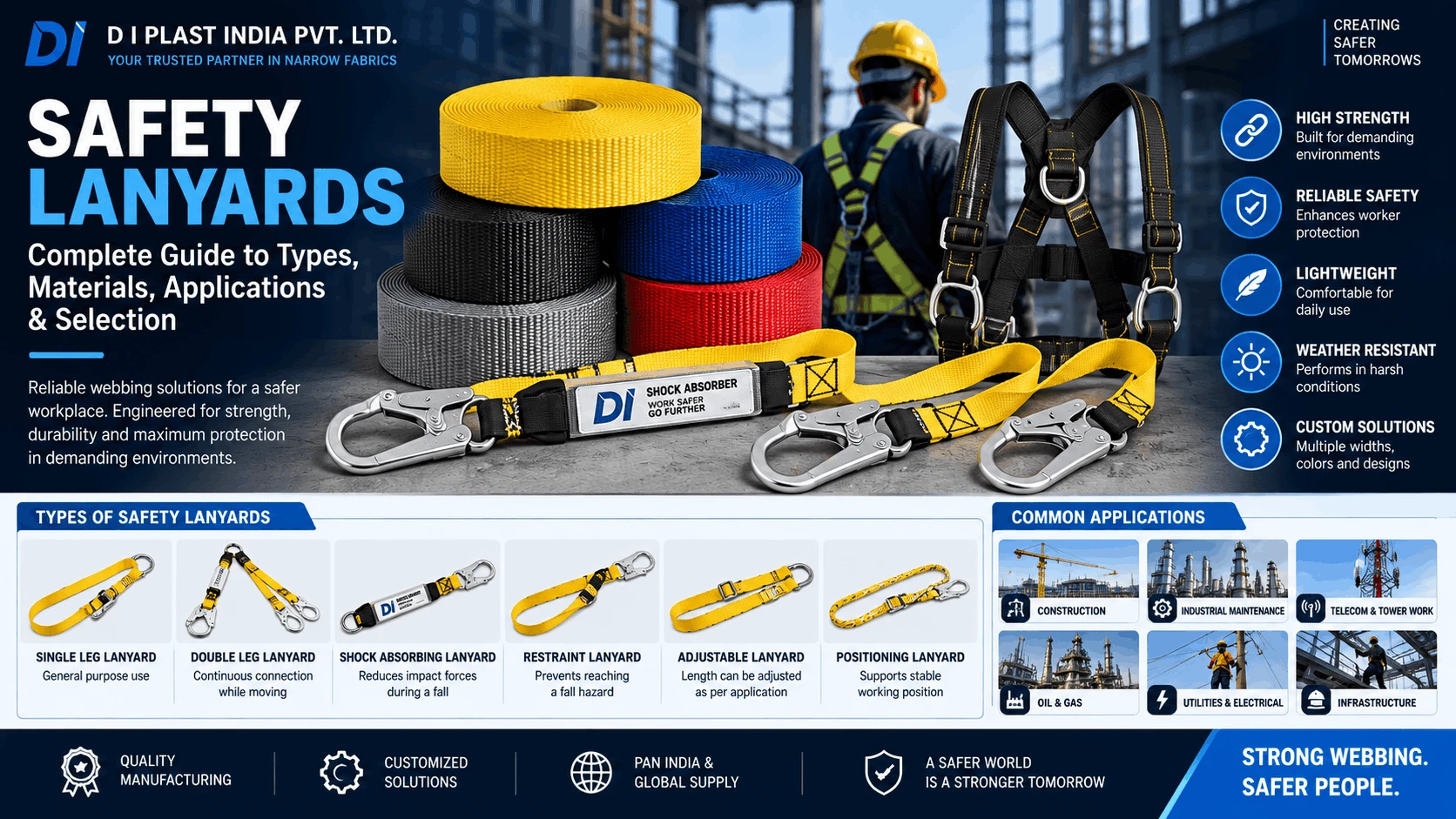
Safety Lanyards: Complete Guide to Types, Materials, Applica...